Posted on — Leave a comment

India and Canada reset ties with ‘landmark’ nuclear energy deal

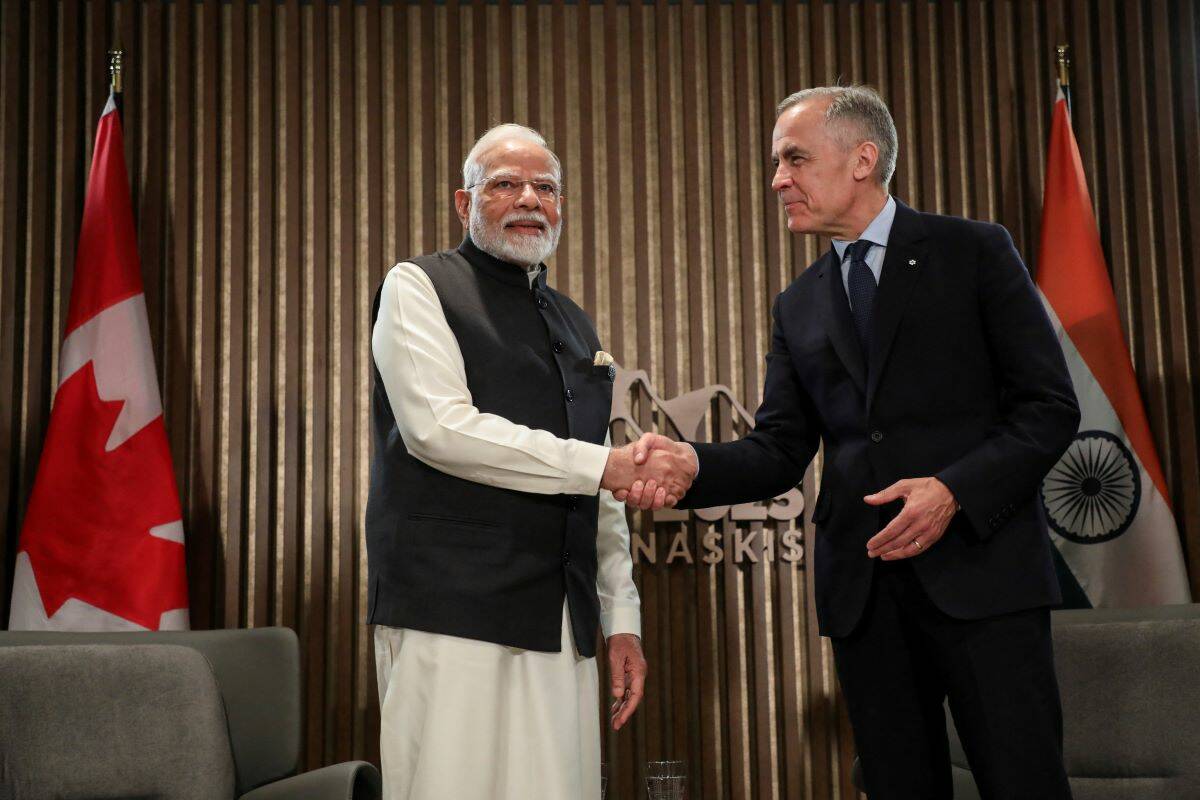
India and Canada have announced a host of agreements, including a 10-year nuclear energy deal, after their prime ministers met in Delhi to reset ties that plummeted due to diplomatic tensions.

Narendra Modi and Mark Carney also struck agreement in areas such as technology, critical minerals, space, defence and education.

Carney said they agreed to conclude a free trade deal, years in the making, by the end of 2026. Both countries want to reduce exposure to punitive US trade tariffs.

Under Carney, the two governments are trying to repair ties that were strained when his predecessor accused Delhi of a link to the 2023 assassination of Sikh separatist Hardeep Singh Nijjar on Canadian soil.

India vociferously rejected the allegation by Justin Trudeau.

Trade and diplomatic relations almost came to a standstill as both sides expelled each other’s diplomats and cancelled visa services. Canada hosts a huge expatriate Indian community.

But since Carney took office last year, the relationship has been cautiously rebuilt —helped by the fact that his government has said it believes India is not currently linked to violent crimes or threats on Canadian soil.

Some in Canada have countered that claim, however, including a Liberal MP from Carney’s own party and members of the Sikh diaspora in Canada, who say they believe they continue to be targeted by India.

Canada’s spy agency listed India late last year as one of the countries carrying out espionage and foreign interference in the country, along with Russia, China and Iran.

In a statement on Monday, the Canadian Security Intelligence Service said its “threat assessment of the main perpetrators of foreign interference and espionage against Canada has not changed”.

Canada’s foreign minister Anita Anand has distanced herself from comments made by a senior Canadian official saying that India had ceased all foreign interference in Canada.

“The words of the senior official are not words that I personally would use,” she told reporters in Delhi after Carney’s meeting with Modi on Monday.

But Anand defended Canada’s decision to re-engage with India, saying “we need to have these diplomatic conversations in order to make progress”.

Carney has not yet spoken to Canadian reporters since his trip began. His office cancelled a planned news conference following the meeting with Modi, citing his tight schedule.

The case of four men charged over Nijjar’s killing is still before the courts.

At talks in Delhi, both Carney and Modi underscored India and Canada’s long-standing relationship, mutual goals and close people-to-people ties.

“In civil nuclear energy, we have reached a landmark deal for long-term uranium supply. We will also work together on small modular reactors and advanced reactors,” Modi told reporters after their meeting at Hyderabad House in Delhi.

He described the two countries as “natural partners in technology and innovation” and said they would enhance co-operation in AI, supercomputing and semiconductors, as well as jointly host a renewable energy summit.

Carney said Canada was well positioned to contribute to energy-hungry India’s nuclear fuel needs and added that the two countries were launching a strategic energy partnership.

He hailed the progress made in rebuilding relations.

“There has been more engagement between the Canadian and Indian governments in the last year than there has been in more than two decades combined,” he said.

On trade, Modi said: “Our target is to reach $50bn in bilateral trade. This is why we have decided to finalise a comprehensive economic partnership soon.”

Carney said he wanted to reach a deal on the “ambitious agreement” by the end of the year. It’s been discussed on-and-off for the past 15 years so concluding it would be a significant achievement.

Analysts say that Carney’s decision to put diplomatic tensions behind him and extend an olive branch to India is a pragmatic one, based on present day geopolitical shifts.

The same holds true for India, which is looking to forge new trade partnerships to diversify its imports and also reduce its reliance on Russia for its energy needs.

Surveys suggest a majority of the Canadian public support re-engaging with India. One recent poll conducted by Angus Reid found that half believe it is the “right time” to restore ties.

The poll also suggests that more Canadians have a favourable view of India (30%) than of the US (26%), as Canada continues to be squeezed by tariffs imposed by the Trump administration.

Earlier on Monday, Carney met India’s Foreign Minister S Jaishankar where the two discussed charting a “forward-looking partnership”.

Carney’s four-day trip began with a visit to the financial capital, Mumbai, where he met business leaders and ministers on 28 February with a view to boost trade and investment in India.

After concluding his trip in Delhi, Carney is set to travel to Australia and then Japan as part of his strategy to diversify Canada’s trade and invite new investments. (BBC)
Posted on — Leave a comment

Texas authorities identify Austin bar shooting victims

Authorities have identified the three people fatally shot outside a bar in Austin, Texas when a gunman opened fire in the early hours of Sunday.

Ryder Harrington, 19, and Savitha Shan, 21, died in the shooting outside a bar popular with University of Texas students, police said. Authorities announced on Monday that third victim, Jorge Pederson, 30, had also died.

More than a dozen people were injured in the shooting, including some who remain in critical condition.

The alleged gunman, Ndiaga Diagne, was shot and killed by police. The FBI said it was looking into a potential “nexus of terrorism” link to the war in Iran, among other possibilities.

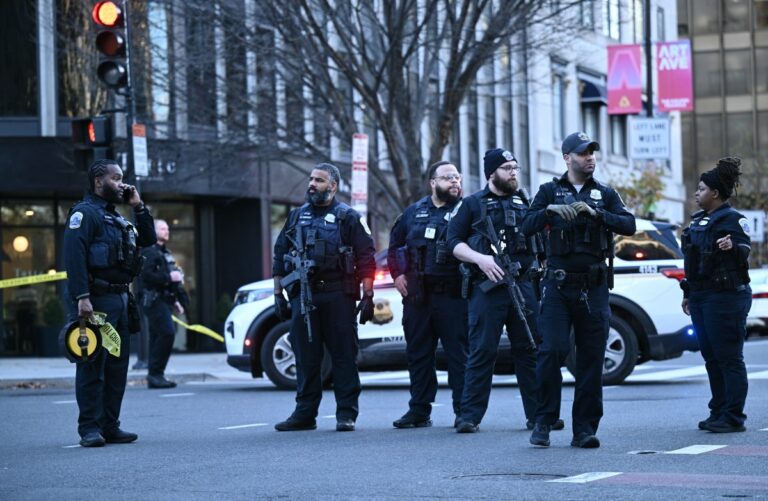
After responding to calls of an active shooter at around 02:00 local time (08:00 GMT) on Sunday near Buford’s bar in Austin, police said they shot and killed the suspect.

Diagne was a naturalised American citizen born in Senegal, according to the BBC’s US partner CBS News.

Officials said two of the victims were students but could not yet confirm which university they attended.

“We recognise that this is a very traumatic moment in our city,” Austin Police Chief Lisa Davis said in briefing on Monday, adding: “I cannot imagine the grief, pain and loss these families are feeling today, and my heart is with them.”

Two sources familiar with the investigation told CBS News that the gunman was wearing a sweatshirt with the words “Property of Allah”.

CBS was also told by an official with knowledge of the investigation that officers who searched the gunman’s home found an Iranian flag and pictures of Iranian leaders.

The attack came on the weekend that the US and its ally Israel launched multiple strikes on Iran, killing its Supreme Leader Ayatollah Ali Khamenei.

Texas Governor Greg Abbott said federal and state officials would investigate whether the violence had any connections to terrorism.

“We will not rest until every last trail or piece of information is pursued to determine if there’s anybody else involved in this whatsoever,” the governor said in a news briefing on Monday.

“And if so, obviously, we will track them down, find them, and bring them to justice.”

In an earlier briefing, Police Chief Davis said officers who were on patrol in the more popular, crowded bar district known as East Sixth Street quickly responded to reports of a man with a gun at Buford’s, located farther down on West Sixth Street.

She said a man in a large SUV driving by Buford’s put on the vehicle’s hazard lights, rolled down his window and fired a pistol, striking people on the patio and pavement outside the bar.

He parked the vehicle nearby, got out with a rifle and started walking back towards the bar, according to Davis. Three police officers confronted the suspect at an intersection, and shot and killed him.

The SUV was searched and was not carrying explosives, officials said.

However, Acting Special Agent in Charge Alex Doran, from the FBI’s San Antonio office, said there were indications in the SUV and on the suspect that suggested a “nexus to terrorism”.

But Doran said the investigation was in its early stages and he was “not prepared to release those details”.

“We are committed to seeing this process through to the very end,” he said.

Kelson Lee, 25, was within earshot when gunfire erupted at Buford’s. He walked inside to look for a friend, according to the Austin Current.

“I see about seven to eight bodies on the floor,” Lee told the local news outlet. “No-one should ever have to see that.

“I kind of blacked out, froze up. I felt kind of helpless because I wanted to help people.” (BBC)

Posted on — Leave a comment

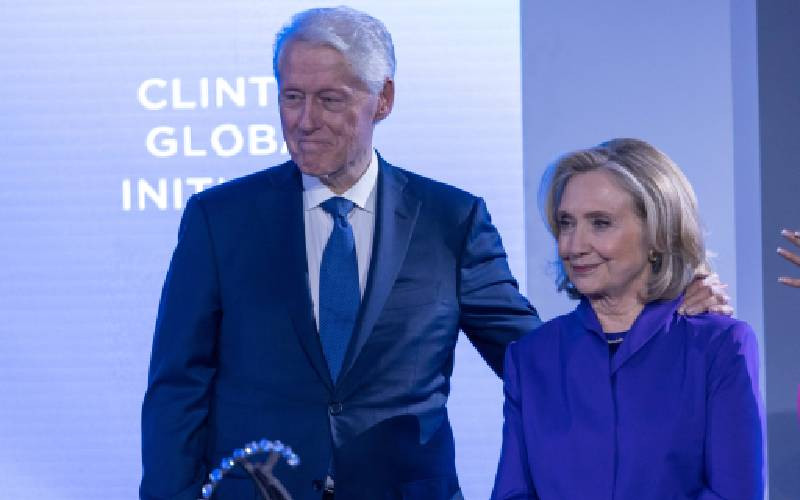
Bill Clinton grilled by House in Epstein deposition

Former President Bill Clinton denied wrongdoing in his relationship with accused sex trafficker Jeffrey Epstein as House Republicans grilled him on Feb. 27 about the late financier’s fundraising, numerous visits to the White House and pictures in Justice Department files.

Clinton, the first former president forced to testify before Congress, told the House Oversight and Government Reform Committee in his opening statement that he “had no idea of the crimes Epstein was committing.” He dismissed the 20-year-old pictures from the department’s files and Epstein’s estate.

“I saw nothing, and I did nothing wrong,” Clinton said. “As someone who grew up in a home with domestic abuse, not only would I not have flown on his plane if I had any inkling of what he was doing – I would have turned him in myself and led the call for justice for his crimes, not sweetheart deals.”

Upon exiting the session, Oversight Committee Chairman Rep. James Comer, R-Kentucky, said questioning the former president was “very productive” while declining to elaborate.

“You’ll see the video. … Everybody knows President Clinton. He’s got Southern people skills; he’s a charming individual,” the congressman said. “We picked up new facts; we asked the Clintons where we should go from here.”

The former president’s deposition at the Chappaqua Performing Arts Center, near the Clintons’ home in suburban New York, comes just a day after his wife and former Secretary of State Hillary Clinton testified. The former first lady, who was also subpoenaed, told the committee on Feb. 26 she didn’t know Epstein and never flew on his plane. She called her deposition “repetitive” and a “fishing expedition.”

Video of the depositions will be released “within the next 24 hours,” Comer suggested.

GOP committee members said they have questions for the former first couple because Epstein visited the White House 17 times while Bill Clinton was president and then Clinton traveled 27 times on his private plane after leaving office. Clinton also appeared in a number of pictures released in the Epstein files with celebrities or in more casual surroundings with the faces of women redacted.

Comer said documents from the Justice Department and Epstein’s estate portray the late financier as raising money for the Clinton Global Initiative, a foundation seeking action on issues such as the climate and health care. Hillary Clinton told the committee Feb. 26 to ask her husband about it because she was a senator during the period in question.

“This is a historical day for the United States Congress,” Comer said. “Nobody is accusing anyone of any wrongdoing. But I think the American people have a lot of questions.”

The inquiry comes as lawmakers and women who accused Epstein of abuse have forced the Justice Department to released 3 million pages of documents about his criminal investigation. But millions more pages remain sealed, and President Donald Trump has said the country should move on.

Epstein died by suicide in 2019 while awaiting trial on federal charges of child sex trafficking. His associate Ghislaine Maxwell is serving a 20-year prison term for conspiring to transport minors for illicit sex. Critics of the investigation have questioned why more coconspirators haven’t been charged. (USAToday)

Posted on — Leave a comment

Australia, New Zealand back axing Andrew from succession

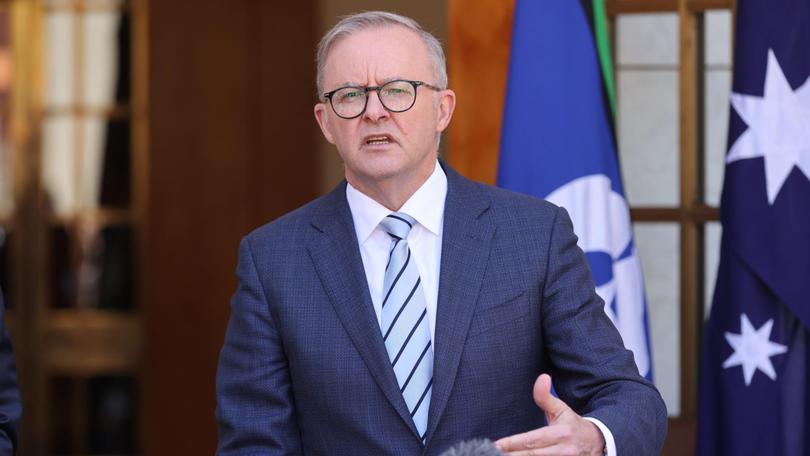
Australian Prime Minister Anthony Albanese said on Tuesday his government was writing to the Commonwealth realms that it would back the removal for former prince Andrew from the line of royal succession.

Albanese said he had been in touch with British Prime Minister Keir Starmer about the former royal who is being investigated for alleged misconduct in public office, after new revelations of his links to the late sex offender Jeffrey Epstein.

“Australia likes being first and we have made sure that everyone knows what our position is and we’ll be writing today to the other realm countries as well, informing them of our position,” Albanese told public broadcaster ABC.

Albanese told reporters that Australians were “disgusted” by the “grave” revelations. 

“King Charles has said that the law must now take its full course. There must be a full, fair and proper investigation. And that needs to occur,” he added.

Meanwhile, New Zealand Prime Minister Christopher Luxon’s office said it would also back such a move, in a statement to media on Tuesday. 

“The bottom line is no one is above the law, and once that investigation is closed, should the UK government decide to remove him from the line of succession, that is something we would support,” Luxon told reporters after the statement was released.

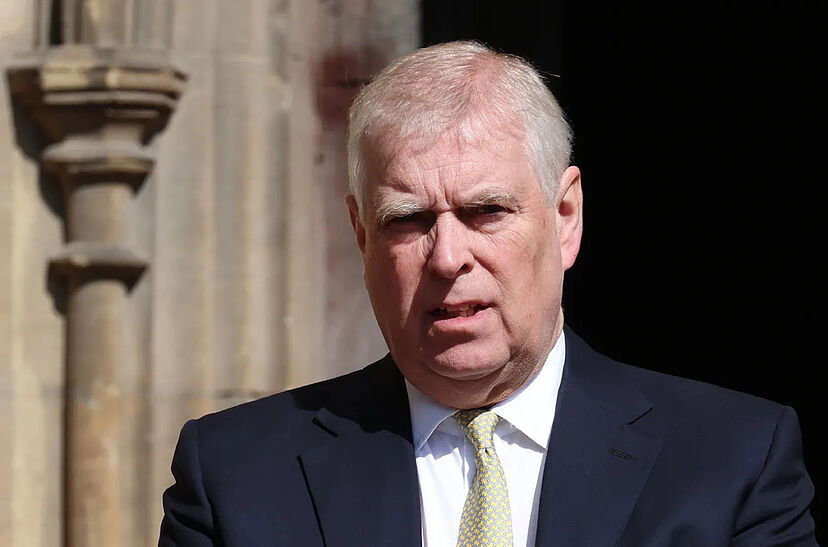
Andrew Mountbatten-Windsor, formerly Prince Andrew, is the third child of late Queen Elizabeth II.

He is currently eighth in the royal line of succession, behind Prince William; William’s children Prince George, Princess Charlotte, Prince Louis; William’s brother Prince Harry; and Harry’s children Prince Archie and Princess Lilibet.

Last week, Mountbatten-Windsor was arrested on suspicion of leaking confidential government documents while in public office. The allegations originate from documents released by the US Department of Justice as part of the so-called Epstein Files.

The UK Police released Mountbatten-Windsor “under investigation” after 11 hours in custody but the arrest itself was unprecedented in modern British history.

Mountbatten Windsor has denied any wrongdoing over his ties to Epstein, having been named by Epstein victim Virginia Giuffre in her posthumous memoir, but has not responded to the latest allegations.

In response to the investigation, the British government said it was considering introducing legislation to ensure the former prince could never be king. The Commonwealth realms would also have to consent to the move for a formal removal. (DW)

Posted on — Leave a comment

British government considers removing former Prince Andrew from the royal line of succession

The British government is considering formally removing Andrew Mountbatten-Windsor from the royal line of succession once the police investigation into allegations of misconduct in public office has concluded, a source familiar with the deliberations told NBC News.

Any such move would require an act of Parliament, a lengthy and politically uncertain process that would also likely have to be approved by other Commonwealth countries, such as Canada and Australia, where the British monarch is the head of state.

The former Prince Andrew became the first British royal in centuries to be arrested Thursday. He was arrested on suspicion of misconduct in public office and released “under investigation” hours later, meaning he has been neither charged nor exonerated.

The Thames Valley Police force earlier this month said it was looking into a claim that the former prince, while serving as the United Kingdom’s trade envoy in 2010, had shared confidential documents with the late convicted sex offender and financier Jeffrey Epstein.

Mountbatten-Windsor has previously denied any wrongdoing in relation to Epstein but has made no comment on his arrest this week or allegations arising from the recent release of Epstein files.

Previously, the controversy swirling around Mountbatten-Windsor centered on the accusations of Virginia Roberts Giuffre, who alleged that Epstein trafficked her to his powerful friends, including the former prince. In 2022, the royal reached a settlement in a sexual assault case brought by Giuffre for an undisclosed amount without admitting any wrongdoing. Mountbatten-Windsor has denied ever having met Guiffre, who died by suicide last year.

Despite being stripped of his remaining royal titles last year, Mountbatten-Windsor remains eighth in line to succeed his brother King Charles III, though it is highly unlikely he would ever be crowned.

At birth, he was second in line to succeed his mother, Queen Elizabeth II, behind Charles, but he has moved steadily down the line as Charles’ own family has grown.

Mountbatten-Windsor is now behind Prince William and his three children, as well as Prince Harry and his two children.

In October, amid a renewed storm of controversy over Mountbatten-Windsor’s friendship with Epstein, Charles stripped his brother of his princely title and ordered him to leave his Windsor residence, the Royal Lodge.

However, no action was taken to remove him from the royal line of succession, and Buckingham Palace also did not take other steps, such as seeking the formal abolition of Mountbatten-Windsor’s Duke of York title, that would have required cooperation from British lawmakers.

At the time, the palace cited concerns about taking up parliamentary time on the issue.

A poll by YouGov on Friday found 82% of Britons now believe that Mountbatten-Windsor should be removed from the line of succession.

A move to exclude a named royal from the line of succession is without precedent in modern times, with royal rule continuing largely unaltered since the abdication of Edward VIII in 1936.

Reforms to royal succession were passed in 2013 to give male and female royals an equal right to the throne in future, ending centuries of male-preference primogeniture. The reforms also abolished centuries-old rules that disqualified royals who married a Catholic from the line of succession. (NBC)

Posted on — Leave a comment

UN marks fourth anniversary of Russia’s invasion of Ukraine

The United Nations on Tuesday marked four years since Russia launched its full-scale invasion of Ukraine with a high-level debate and renewed calls to end the war.

The General Assembly also passed a resolution reaffirming its strong commitment to the sovereignty, independence and territorial integrity of Ukraine.

Meeting in an emergency special session on Ukraine at UN Headquarters in New York, the UN General Assembly adopted a resolution titled “Support for lasting peace in Ukraine.”

The General Assembly called for an immediate, full and unconditional ceasefire between Russia and Ukraine.

The text reaffirmed the Assembly’s commitment to Ukraine’s sovereignty and territorial integrity and called for a comprehensive, just and lasting peace in line with the UN Charter, the exchange of prisoners of war, and the return of civilians forcibly transferred, including children.

The resolution was adopted by 107 votes in favour, including Nigeria, 12 against and 51 abstentions.

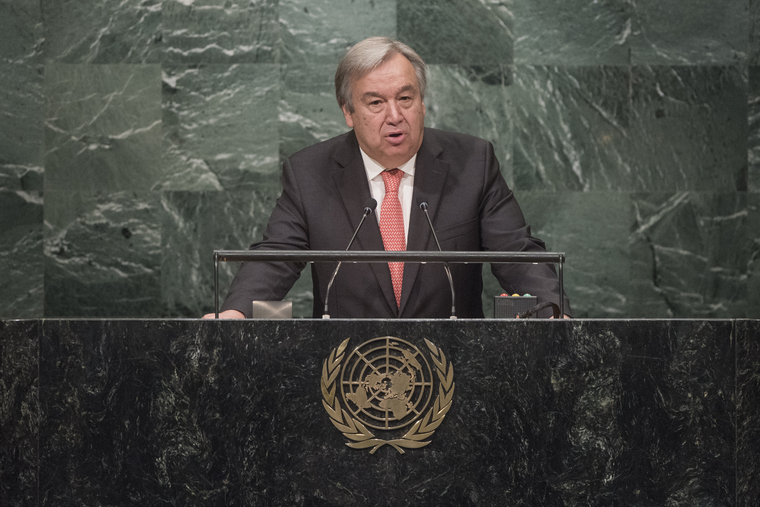
Meanwhile, the UN Secretary-General, António Guterres, in a statement, said the invasion was a violation of the United Nations Charter and international law.

“This devastating war is a stain on our collective consciousness and remains a threat to regional and international peace and security.

“The longer the war continues, the deadlier it becomes. Civilians bear the brunt of this conflict, with 2025 witnessing the largest number of civilians killed in Ukraine.

“This is simply unacceptable. I reiterate my call for an immediate, full and unconditional ceasefire as a first step towards a just, lasting and comprehensive peace,” he said.

According to him, for peace to be just, it must be in line with the UN Charter, international law and relevant United Nations resolutions, respecting Ukraine’s independence, sovereignty and territorial integrity.

“The United Nations remains ready to contribute to all efforts towards this end,” he added. (Punch)

Posted on — Leave a comment

After court ruling, Trump says U.S. global tariff rate will rise from 10% to 15%


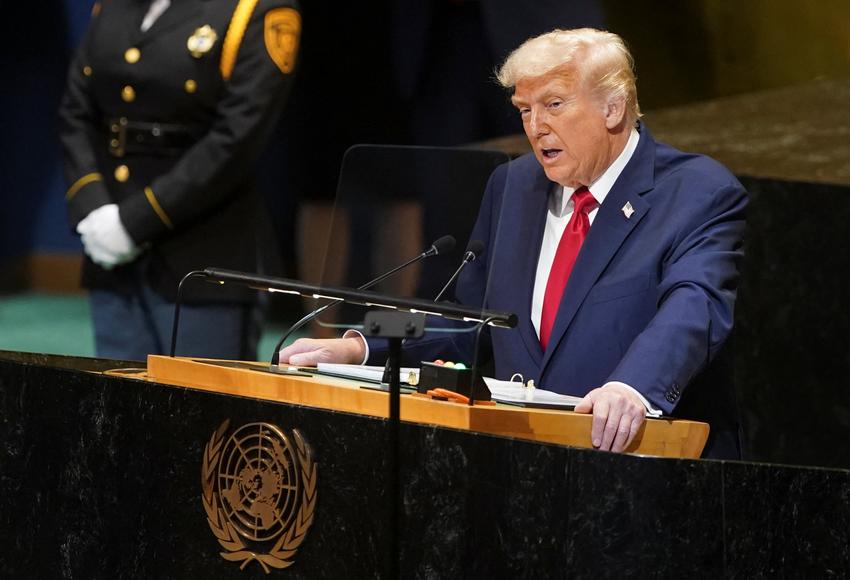
President Donald Trump said on Saturday he will raise a temporary tariff from 10% to 15% on U.S. imports from all countries, the maximum level allowed under the law, after the U.S. Supreme ‌Court struck down his previous tariff program.

The move came less than 24 hours after Trump announced a 10% across-the-board tariff on Friday after the court’s decision. The ruling found the president had exceeded his authority when he imposed an array of higher rates under an economic emergency law.

The new levies are grounded in a separate ‌but untested law, known as Section 122, that allows tariffs up to 15% but requires congressional approval ⁠to extend them after 150 days. No president has previously invoked Section 122, and its use could ⁠lead to further legal challenges.

Trade ⁠experts and congressional aides are skeptical the Republican-majority Congress would extend the tariffs, given polls that show growing numbers of Americans blame ‌the duties for higher prices.

In a social media post on Saturday, Trump said he would use the 150-day ⁠period to work on issuing other “legally permissible” tariffs. The administration intends to ⁠rely on two other statutes that permit import taxes on specific products or countries based on investigations into national security or unfair trade practices.

“I, as President of the United States of America, will be, effective immediately, raising the 10% Worldwide Tariff on Countries, many of which have been ‘ripping’ the U.S. off for decades, without retribution (until I came along!), to the fully ⁠allowed, and legally tested, 15% level,” he wrote in a Truth Social post.

The Section 122 tariffs include exemptions for certain products, including ⁠critical minerals, metals and energy products, according to the White ‌House.

Wendy Cutler, a former senior U.S. trade official and senior vice president at the Asia Society think tank, said she was surprised Trump had not opted for the maximum Section 122 rate on Friday, adding that his rapid-fire change underscored the uncertainty trading partners faced.

The Supreme Court’s decision, authored by Chief Justice John Roberts, concluded the law Trump had used for most of his tariffs, the International Emergency Economic ‌Powers Act, did not grant the president the powers he claimed.

Roberts was joined in the majority by fellow conservatives Neil Gorsuch and Amy Coney Barrett, both Trump appointees, and the court’s three liberal justices.

Trump reacted with fury to the ruling, calling the justices in the majority “fools” and describing Gorsuch and Barrett in particular as “embarrassments,” while vowing to continue his global trade war.

Some foreign leaders applauded the decision. French President Emmanuel Macron said on Saturday the ruling showed it is good for democracies to have counterweights to power and the rule of law.

German Chancellor Friedrich Merz said he expected the decision would ease the burden on German companies. He said he would use his upcoming U.S. trip ​to reiterate that “tariffs harm everyone.” (JapanToday)

Posted on — Leave a comment

Parliamentary aide among 11 arrested over killing of French far-right activist

Eleven suspects, including a parliamentary aide to France’s hard-left party, have been arrested in connection with the killing last week of a far-right activist in an incident that has shocked the country and laid bare its deep political divisions.

Quentin Deranque, 23, died on Saturday after sustaining a severe brain injury. The Lyon prosecutor, Thierry Dran, said he had been “thrown to the ground and beaten by at least six individuals” during an incident last week.

The attack took place as Deranque, a mathematics student, was on the sidelines of a protest against a university conference attended by Rima Hassan, a European member of parliament for Jean-Luc Mélenchon’s leftwing party, La France Insoumise (LFI).

The anti-immigration Némésis collective, which was protesting against the conference, said at the weekend that Deranque had been there to protect its members and was assaulted by anti-fascist activists. Hassan and other members of LFI have condemned the killing.

The incident has inflamed political tensions in France in the run-up to next month’s municipal elections as well as the 2027 presidential race, in which polls suggest the far-right National Rally (RN) could achieve its best result to date.

The first wave of arrests was announced late on Tuesday, as Dran said nine suspects had been arrested. Those detained included people who were suspected of having participated in the violence and others who had provided support to them, sources told Agence France-Presse.

Hours later, two more suspects were arrested: a man who the prosecutor said was suspected of being directly linked to the violence as well as his partner, who was suspected of trying to help him evade justice.

The LFI politician Raphaël Arnault confirmed that his parliamentary assistant was among those detained, adding the aide had “ceased all parliamentary work”.

On Wednesday, as news of the arrests spread, the LFI said it had been forced to evacuate its national headquarters. “The national headquarters of LFI have just been evacuated following a bomb threat,” the party’s coordinator, Manuel Bompard, said on social media. “Police services are on site. All employees and activists are safe.”

As videos of last week’s deadly confrontation continued to circulate on social media, Mélenchon called for calm. “Let’s not fuel the incitement to take the law into one’s own hands,” the LFI leader said on social media.

Images broadcast by TF1 of the alleged attack showed several people hitting three others who were lying on the ground, two of whom managed to escape. One witness told AFP: “People were hitting each other with iron bars.”

Némésis, the anti-immigration collective linked to Deranque, has blamed the killing on La Jeune Garde (Young Guard), an anti-fascist youth group co-founded by Arnault before he was elected to parliament. La Jeune Garde – which was dissolved in June – has denied any links to the “tragic events” and Arnault has called the killing “horrific”.

While the government has singled out LFI and La Jeune Garde, the Lyon prosecutor on Monday declined to comment on those claims, instead telling reporters that the investigation was looking into suspected “intentional homicide” and aggravated assault.

Politicians held a minute of silence on Tuesday afternoon at France’s national assembly in memory of Deranque, while a march is expected to be held in Lyon next Saturday in his honour.

In a post this weekend, the French president, Emmanuel Macron, addressed the incident and called for calm. “It is essential that the perpetrators of this ignominy be prosecuted, brought to justice and convicted. Hatred that kills has no place among us,” he wrote on social media. “I call for calm, restraint and respect.” (Guardian)

Posted on — Leave a comment

Former Prince Andrew arrested and held for hours on suspicion of misconduct over ties to Epstein

The former Prince Andrew was arrested and held for hours by British police Thursday on suspicion of misconduct in public office related to his links to Jeffrey Epstein, an extraordinary move in a country where authorities once sought to shield the royal family from embarrassment.

It was the first time in nearly four centuries that a senior British royal was placed under arrest, and it underscored how deference to the monarchy has eroded in recent years.

King Charles III, whose late mother lived by the motto “never complain, never explain,” took the unusual step of issuing a statement on the arrest of his brother, now known as Andrew Mountbatten-Windsor.

“Let me state clearly: the law must take its course,’’ the king said. “As this process continues, it would not be right for me to comment further on this matter.’’

The Thames Valley Police force said Mountbatten-Windsor was released Thursday evening, about 11 hours after he was detained at his home in eastern England. He was photographed in a car leaving the station near his home on the royal Sandringham Estate.

Police said he was released under investigation, meaning he has neither been charged nor exonerated. Police said they had finished searching Mountbatten-Windsor’s home, but officers were still searching his former residence near Windsor Castle.

The police force, which covers areas west of London, including Mountbatten-Windsor’s former home, said Thursday that a man in his 60s from Norfolk in eastern England, had been arrested and was in custody. Police did not identify the suspect, in line with standard procedures in Britain.

Mountbatten-Windsor, 66, moved to the king’s private estate in Norfolk after he was evicted from his longtime home near the castle earlier this month.

Police previously said they were “assessing” reports that Mountbatten-Windsor sent trade information to Epstein, a wealthy investor and convicted sex offender, in 2010, when the former prince was Britain’s special envoy for international trade. Correspondence between the two men was released by the U.S. Justice Department late last month along with millions of pages of documents from the American investigation into Epstein.

“Following a thorough assessment, we have now opened an investigation into this allegation of misconduct in public office,’’ Assistant Chief Constable Oliver Wright said in a statement.

“We understand the significant public interest in this case, and we will provide updates at the appropriate time,” he added.

Police also said they were searching two properties.

Earlier in the day, pictures circulated online that appeared to show unmarked police cars at Wood Farm, Mountbatten-Windsor’s home on the Sandringham Estate in Norfolk, with plainclothes officers gathering outside.

Mountbatten-Windsor has consistently denied any wrongdoing in his association with Epstein.

The allegations being investigated Thursday are separate from those made by Virginia Giuffre, who claimed she was trafficked to Britain to have sex with the prince in 2001, when she was just 17. Giuffre died by suicide last year.

Still, Giuffre’s family praised the arrest, saying that their “broken hearts have been lifted at the news that no one is above the law, not even royalty.”

The family added: “He was never a prince. For survivors everywhere, Virginia did this for you.”

“This is the most spectacular fall from grace for a member of the royal family in modern times,” said Craig Prescott, a royal expert at Royal Holloway, University of London, who compared it in severity to the crisis sparked by Edward VIII’s abdication to marry American divorcee Wallis Simpson.

“And it may not be over yet,’’ Prescott added.

Thursday’s arrest came a day after the National Police Chiefs’ Council said it had created a coordination group to assist forces across the UK that are assessing whether Epstein and his associates committed crimes in Britain. In addition to the concerns about Mountbatten-Windsor ’s correspondence, documents released by the U.S. suggest Epstein may have used his private jet to traffic women to and from Britain.

The documents also rocked British politics. Prime Minister Keir Starmer had to fight off questions about his judgment after the papers revealed that Peter Mandelson, the man he appointed ambassador to the U.S., had a longer and closer relationship with Epstein than was previously disclosed.

London’s Metropolitan Police Service has said it is investigating allegations of misconduct in public office related to Mandelson’s own correspondence with Epstein. Mandelson was fired as ambassador to the U.S. in September. (JapanToday)

Posted on — Leave a comment

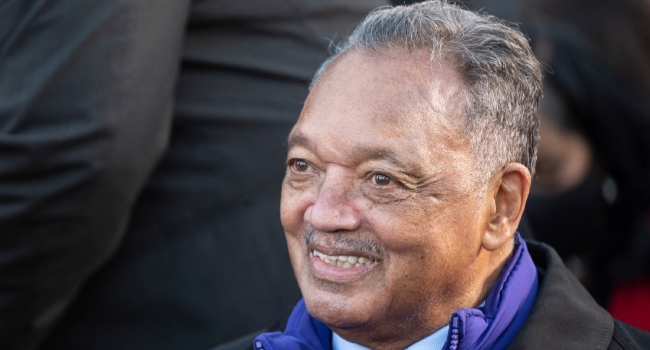
US Civil Rights Leader Jesse Jackson dies at 84

Veteran US civil rights activist Reverend Jesse Jackson, one of the nation’s most influential Black voices, died peacefully Tuesday morning, his family said in a statement. He was 84.

Jackson, a Baptist minister, had been a civil rights leader since the 1960s, when he marched with Martin Luther King Jr. and helped fundraise for the cause.

“Our father was a servant leader — not only to our family, but to the oppressed, the voiceless, and the overlooked around the world,” Jackson’s family said.

“His unwavering belief in justice, equality, and love uplifted millions, and we ask you to honor his memory by continuing the fight for the values he lived by.”

The family did not release a cause of death, but Jackson revealed in 2017 that he had the degenerative neurological disease Parkinson’s.

He was hospitalized for observation in November in connection to another neurodegenerative condition, according to media reports.

A dynamic orator and a successful mediator in international disputes, the long-time Baptist minister expanded the space for African Americans on the national stage for more than six decades.

He was the most prominent Black person to run for the US presidency — with two unsuccessful attempts to capture the Democratic Party nomination in the 1980s — until Barack Obama took the office in 2009.

He was present for many consequential moments in the long battle for racial justice in the United States, including with King in Memphis in 1968 when the civil rights leader was slain.

He openly wept in the crowd as Obama celebrated his 2008 presidential election, and he stood with George Floyd’s family in 2021 after a court convicted an ex-police officer of the unarmed Black man’s murder.

Jackson was born Jesse Louis Burns on October 8, 1941, in Greenville, South Carolina, to an unwed teen mother and a former professional boxer.

He later adopted the last name of his stepfather, Charles Jackson.

“I was not born with a silver spoon in my mouth. I had a shovel programmed for my hands,” he once said.

He excelled in his segregated high school and earned a football scholarship to the University of Illinois, but later transferred to the predominantly Black Agricultural and Technical College of North Carolina, where he received a degree in sociology.

In 1960, he participated in his first sit-in, in Greenville, and then joined the Selma-to-Montgomery civil rights marches in 1965, where he caught King’s attention.

Jackson later emerged as a mediator and envoy on several notable international fronts.

He became a prominent advocate for ending apartheid in South Africa, and in the 1990s served as presidential special envoy for Africa for Bill Clinton.

Missions to free US prisoners took him to Syria, Iraq, and Serbia.

He founded the Rainbow PUSH Coalition, a Chicago-based nonprofit organization focused on social justice and political activism, in 1996

He is survived by his wife and six children. (Channels)