
Posted on Leave a comment

Australia, New Zealand back axing Andrew from succession

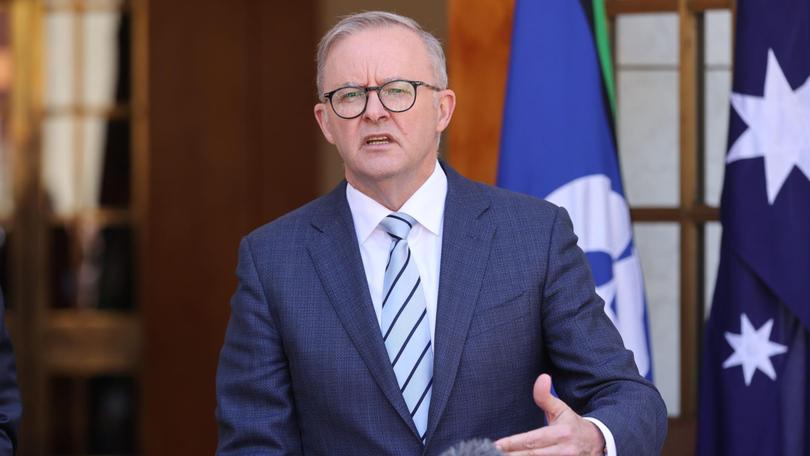
Australian Prime Minister Anthony Albanese said on Tuesday his government was writing to the Commonwealth realms that it would back the removal for former prince Andrew from the line of royal succession.

Albanese said he had been in touch with British Prime Minister Keir Starmer about the former royal who is being investigated for alleged misconduct in public office, after new revelations of his links to the late sex offender Jeffrey Epstein.

“Australia likes being first and we have made sure that everyone knows what our position is and we’ll be writing today to the other realm countries as well, informing them of our position,” Albanese told public broadcaster ABC.

Albanese told reporters that Australians were “disgusted” by the “grave” revelations. 

“King Charles has said that the law must now take its full course. There must be a full, fair and proper investigation. And that needs to occur,” he added.

Meanwhile, New Zealand Prime Minister Christopher Luxon’s office said it would also back such a move, in a statement to media on Tuesday. 

“The bottom line is no one is above the law, and once that investigation is closed, should the UK government decide to remove him from the line of succession, that is something we would support,” Luxon told reporters after the statement was released.

Andrew Mountbatten-Windsor, formerly Prince Andrew, is the third child of late Queen Elizabeth II.

He is currently eighth in the royal line of succession, behind Prince William; William’s children Prince George, Princess Charlotte, Prince Louis; William’s brother Prince Harry; and Harry’s children Prince Archie and Princess Lilibet.

Last week, Mountbatten-Windsor was arrested on suspicion of leaking confidential government documents while in public office. The allegations originate from documents released by the US Department of Justice as part of the so-called Epstein Files.

The UK Police released Mountbatten-Windsor “under investigation” after 11 hours in custody but the arrest itself was unprecedented in modern British history.

Mountbatten Windsor has denied any wrongdoing over his ties to Epstein, having been named by Epstein victim Virginia Giuffre in her posthumous memoir, but has not responded to the latest allegations.

In response to the investigation, the British government said it was considering introducing legislation to ensure the former prince could never be king. The Commonwealth realms would also have to consent to the move for a formal removal. (DW)
Posted on Leave a comment

British government considers removing former Prince Andrew from the royal line of succession

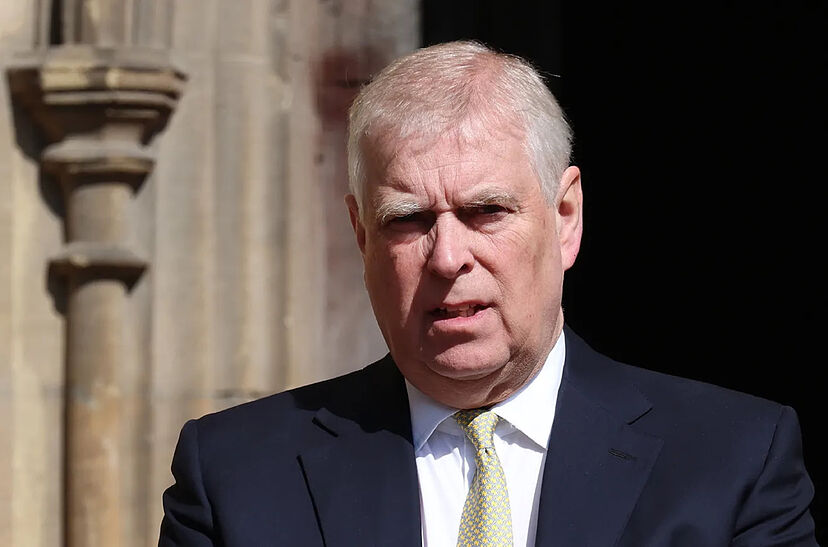
The British government is considering formally removing Andrew Mountbatten-Windsor from the royal line of succession once the police investigation into allegations of misconduct in public office has concluded, a source familiar with the deliberations told NBC News.

Any such move would require an act of Parliament, a lengthy and politically uncertain process that would also likely have to be approved by other Commonwealth countries, such as Canada and Australia, where the British monarch is the head of state.

The former Prince Andrew became the first British royal in centuries to be arrested Thursday. He was arrested on suspicion of misconduct in public office and released “under investigation” hours later, meaning he has been neither charged nor exonerated.

The Thames Valley Police force earlier this month said it was looking into a claim that the former prince, while serving as the United Kingdom’s trade envoy in 2010, had shared confidential documents with the late convicted sex offender and financier Jeffrey Epstein.

Mountbatten-Windsor has previously denied any wrongdoing in relation to Epstein but has made no comment on his arrest this week or allegations arising from the recent release of Epstein files.

Previously, the controversy swirling around Mountbatten-Windsor centered on the accusations of Virginia Roberts Giuffre, who alleged that Epstein trafficked her to his powerful friends, including the former prince. In 2022, the royal reached a settlement in a sexual assault case brought by Giuffre for an undisclosed amount without admitting any wrongdoing. Mountbatten-Windsor has denied ever having met Guiffre, who died by suicide last year.

Despite being stripped of his remaining royal titles last year, Mountbatten-Windsor remains eighth in line to succeed his brother King Charles III, though it is highly unlikely he would ever be crowned.

At birth, he was second in line to succeed his mother, Queen Elizabeth II, behind Charles, but he has moved steadily down the line as Charles’ own family has grown.

Mountbatten-Windsor is now behind Prince William and his three children, as well as Prince Harry and his two children.

In October, amid a renewed storm of controversy over Mountbatten-Windsor’s friendship with Epstein, Charles stripped his brother of his princely title and ordered him to leave his Windsor residence, the Royal Lodge.

However, no action was taken to remove him from the royal line of succession, and Buckingham Palace also did not take other steps, such as seeking the formal abolition of Mountbatten-Windsor’s Duke of York title, that would have required cooperation from British lawmakers.

At the time, the palace cited concerns about taking up parliamentary time on the issue.

A poll by YouGov on Friday found 82% of Britons now believe that Mountbatten-Windsor should be removed from the line of succession.

A move to exclude a named royal from the line of succession is without precedent in modern times, with royal rule continuing largely unaltered since the abdication of Edward VIII in 1936.

Reforms to royal succession were passed in 2013 to give male and female royals an equal right to the throne in future, ending centuries of male-preference primogeniture. The reforms also abolished centuries-old rules that disqualified royals who married a Catholic from the line of succession. (NBC)