Formula 1 president Stefano Domenicali says the 2026 championship will end in Europe if the conflict in the Middle East makes it impossible to hold the season-closing races in Qatar and Abu Dhabi.
Domenicali said on a call with F1 media that a final decision would be made by the “middle of September”.
“For us today, the races in Qatar and Abu Dhabi are confirmed,” Domenicali said. “By the way, they are already sold out. That is an incredible sign of how much the sport is bigger than the problem that our world is living.
“But of course, if the situation will not be cleared the way that we believe it should be, before the middle of September we will take the decision.
“If this will not be possible, the end of the season will be in Europe, because we cannot go in other places.”
The 61-year-old did not elaborate on where the final race would be held if Qatar and Abu Dhabi have to be called off, but the strong front-runner is the Imola circuit in Italy.
F1 has already been forced to cancel the Bahrain and Saudi Arabia races, which were scheduled for April, as a result of the US-Israel war with Iran.
The sport announced on Sunday that Malaysia would step in hold a race in September on behalf of Bahrain.
Although that event takes F1 to the 21 grands prix needed to satisfy various commercial contracts, Domenicali is determined for there to be another race after the Las Vegas Grand Prix on 21 November.
Domenicali said: “There was a possibility of having two races in Las Vegas, but we don’t want to ruin, let me put it this way, a jewel that is growing by undervaluing what we are doing there.
“And of course, we don’t have to forget that in that period of the year, we are fighting in the US against the NFL.
“That is a major sport that is, I don’t want to say detracting, but a lot of fans are watching that. So we need to avoid any kind of situation that would put us in front of something that, of course, is still quite big in the US.”
Next year, the opening race is set to revert to Bahrain after two years in Australia as a result of the timing of the Muslim holy month of Ramadan.
Domenicali said contingency plans were in place should the war still be ongoing, he added.
“So far, the calendar that will be presented, let’s say in autumn, will be as a sort of a normal plan,” Domenicali said.
“But in case the situation in the Middle East will be not solved, we have options, different plan. And the trigger for that, of course, is at the end of the year.”
He said these alternative plans would “accommodate the fact that we will keep, in any case, the target of 24 countries also for next year”. (BBC)
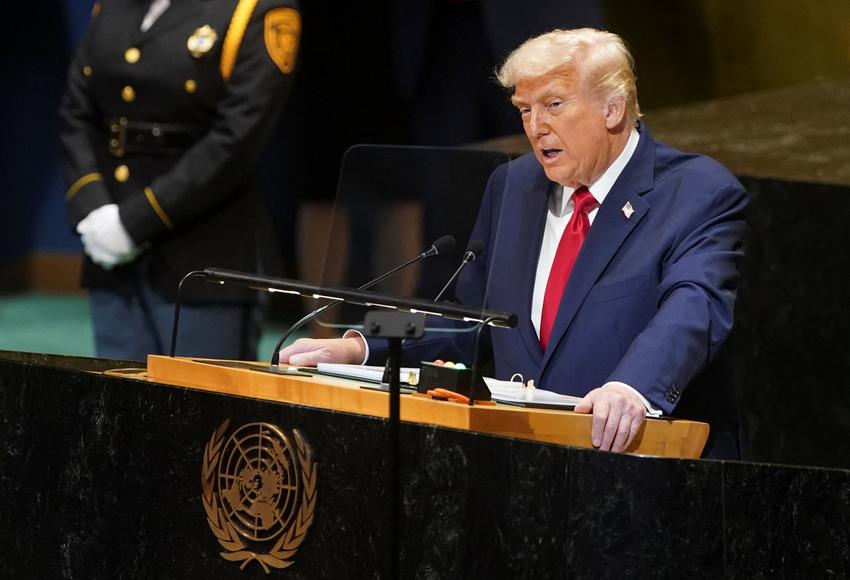
U.S. President Donald Trump on Tuesday agreed to a two-week ceasefire with Iran, less than two hours before his deadline for Tehran to reopen the Strait of Hormuz or face devastating attacks on its civilian infrastructure.
Trump’s announcement on social media represented an abrupt turnaround from earlier in the day, when he issued an extraordinary warning that “a whole civilization will die tonight” if his demands were not met.
Pakistan Prime Minister Shehbaz Sharif, who helped mediate the ceasefire, said in a post on X that he had invited Iranian and U.S. delegations to meet in Islamabad on Friday.
Trump said the last-minute deal was subject to Iran’s agreement to pause its blockade of oil and gas supplies through the strait, which typically handles about one-fifth of global oil shipments. Iran’s foreign minister, Abbas Araqchi, said in a statement that Tehran would stop counter-attacks and provide safe passage through the waterway.
“This will be a double sided CEASEFIRE!” Trump wrote on his Truth Social platform. “The reason for doing so is that we have already met and exceeded all Military objectives, and are very far along with a definitive Agreement concerning Longterm PEACE with Iran, and PEACE in the Middle East.”
Iran’s Supreme National Security Council portrayed the deal as a victory over the U.S., claiming Trump had accepted Iran’s conditions for ending hostilities.
In response, White House press secretary Karoline Leavitt said, “The truth is that President Trump and our powerful military got Iran to agree to reopening the Strait of Hormuz, and negotiations will continue.”
The war, now in its sixth week, has claimed more than 5,000 lives in nearly a dozen countries, including more than 1,600 civilians in Iran, according to tallies from government sources and human rights groups.
Two White House officials confirmed that Israel has also agreed to the two-week ceasefire and to suspend its bombing campaign on Iran. The agreement includes a cessation of Israel’s campaign in Lebanon, Sharif said.
It was not immediately clear how soon the ceasefire would take full effect. Israeli media reported it would begin once Iran reopened the strait and that Israel expected Iranian attacks to continue in the interim.
More than an hour after Trump’s announcement, the Israeli military said it had identified missiles launched from Iran, and explosions from intercepted missiles could be heard in Tel Aviv. Gulf countries including Kuwait, Bahrain, Saudi Arabia and the United Arab Emirates also issued near-simultaneous alerts and activated air defenses.
Trump, who has issued a series of threats in recent weeks only to back away, said progress between the two sides had prompted him to agree to the ceasefire. He said Iran had presented a 10-point proposal that was a “workable basis” for negotiations and that he expected an agreement to be “finalized and consummated” during the two-week window.
Markets breathed a sigh of relief, with U.S. stock futures rising in the minutes following Trump’s message. Oil prices fell sharply, with U.S. crude futures touching their lowest price since March 26. (JapanToday)
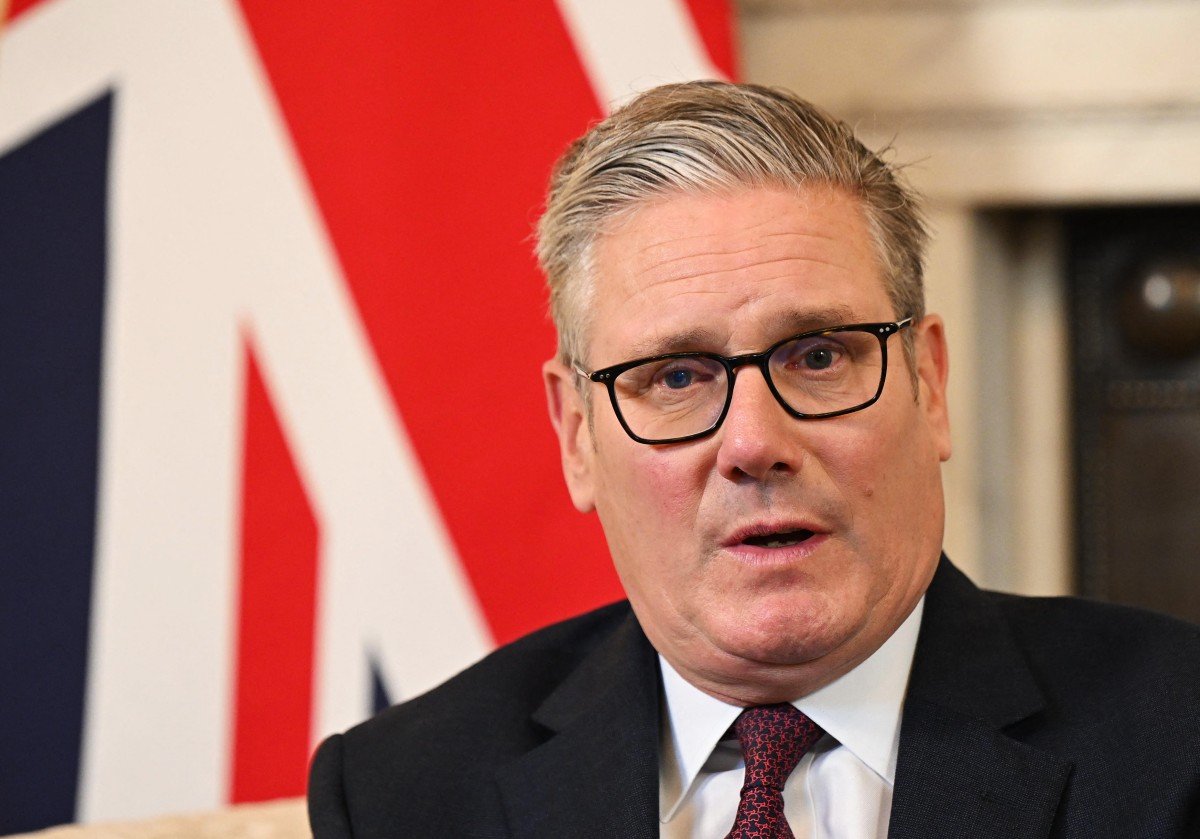
Sir Keir Starmer has arrived in Saudi Arabia as he visits Gulf allies after the US and Iran agreed a two-week ceasefire.
The prime minister is expected to “discuss diplomatic efforts to support and uphold the ceasefire”, according to No 10. He will return to the UK on Friday.
The ceasefire comes after Donald Trump threatened “a whole civilisation will die” if Iran did not agree to end the war and unblock the Strait of Hormuz – comments that led Downing Street to call again for “de-escalation”.
Sir Keir said: “I welcome the ceasefire agreement reached overnight, which will bring a moment of relief to the region and the world.”
He added: “Together with our partners we must do all we can to support and sustain this ceasefire, turn it into a lasting agreement and reopen the Strait of Hormuz.”
Sir Keir is also expected to meet UK military personnel in the region as part of his Gulf trip, which was planned before the ceasefire announcement.
For the Conservatives, shadow housing secretary Sir James Cleverly told BBC Breakfast the ceasefire is an “opportunity for Iran to make some serious choices” about how it behaves at home and abroad.
Former foreign secretary Sir James said the war was initiated to ensure Iran “never acquires a nuclear weapon” and that remains an “absolute priority”, adding: “So we’ll welcome this two-week ceasefire, but it’s time that mustn’t be wasted.”
Liberal Democrat leader Sir Ed Davey welcomed the ceasefire but questioned whether the UK could trust Trump, labelling him a “totally unreliable ally”.
Sir Ed said the Strait of Hormuz needed to be opened otherwise people would “pay a heavy price in inflation and lower growth”, adding: “So whatever it takes, but I do think we’ve got to stand up to America.
“America has caused this problem so we’ve got to work with allies who we can trust.”
Last week the UK hosted a virtual summit in which representatives from more than 40 countries began work to assemble a coalition capable of ensuring security in the Strait after the fighting has stopped.
This was followed by a military planning conference on Tuesday.
Iran and the US agreed to the conditional ceasefire on Tuesday, just over an hour before the expiry of the deadline Trump had set for Iran to make a deal.
In a post on Truth Social, Trump said the ceasefire was “subject to the Islamic Republic of Iran agreeing to the COMPLETE, IMMEDIATE, and SAFE OPENING of the Strait of Hormuz”.
Meanwhile, the Iranian Foreign Minister Abbas Araghchi announced Iran would agree to a ceasefire “if attacks against Iran are halted”.
“For a period of two weeks, safe passage through the Strait of Hormuz will be possible,” he added.
The war began in February, when the US and Israel launched co-ordinated attacks on Iran over concerns Tehran was accelerating efforts towards building a nuclear weapon.
In response, Iran has launched strikes on its neighbours across the Gulf and the wider Middle East.
It also placed a stranglehold on the Strait of Hormuz, a waterway that serves as a critical shipping route through which a fifth of the world’s energy shipments usually transits.
The conflict caused the price of crude oil to spike, with sharp increases in petrol and diesel costs, leading to concerns about the cost of living in countries across the world. (BBC)
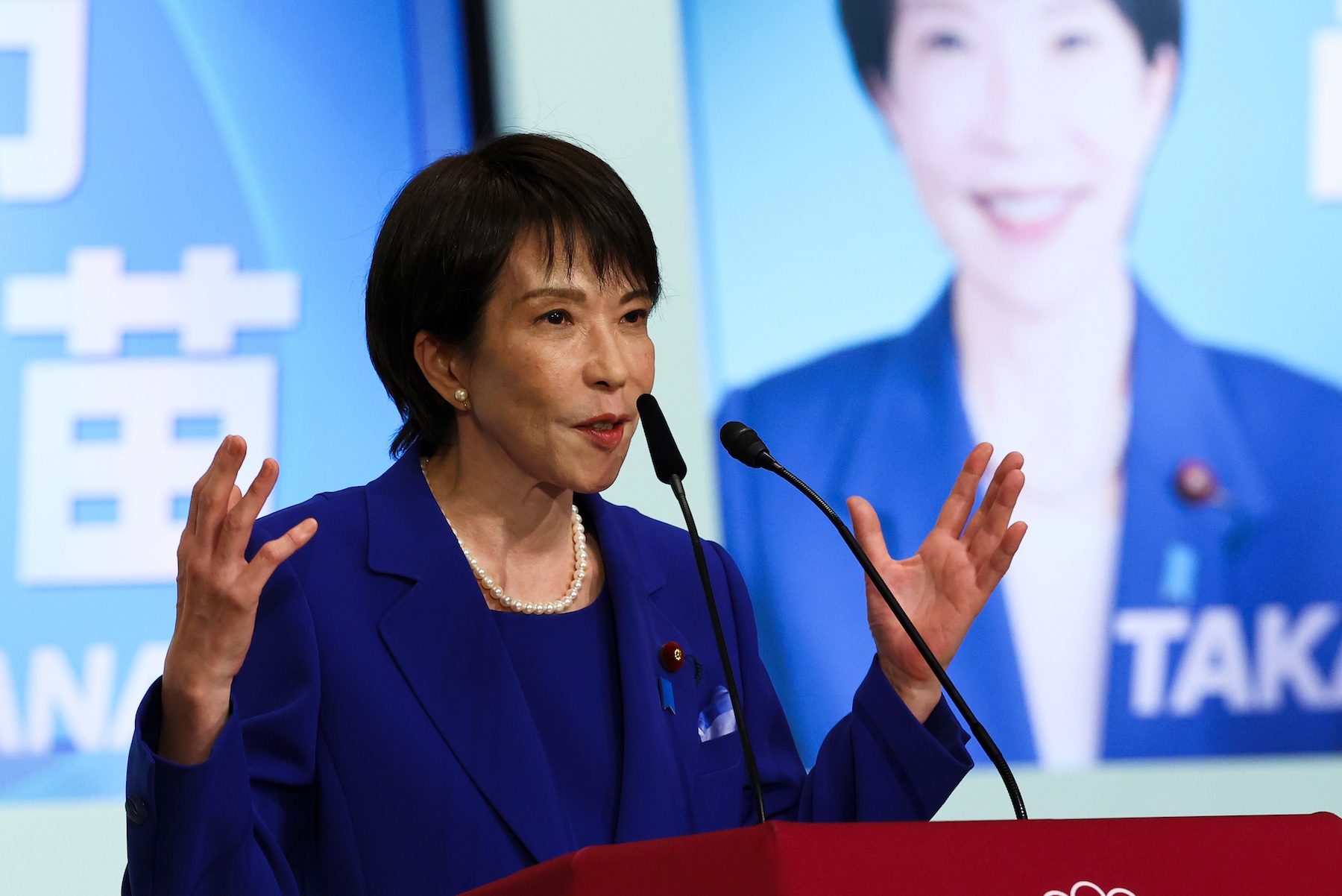
Japanese Prime Minister Sanae Takaichi sought to reaffirm her alliance with President Donald Trump on Thursday after the president this week seemed to complain that Japan was among the nations that did not join his call to help protect the Strait of Hormuz.
Takaichi, who met with Trump at the White House, told the president that Japan has opposed Iran’s development of its nuclear program and appealed to his desire to be seen as a peacemaker, despite his launching a war of choice with Iran. She told the U.S. president that in the Middle East and around the world now, there was “a very severe security environment,” but said, “Even against that backdrop, I firmly believe that it is only you, Donald, who can achieve peace across the world.”
The two leaders had warm words for each other, including Trump calling the prime minister a “popular powerful woman,” but there appeared to be some tension as they faced repeated questions from reporters about Japan’s support for the Iran war.
Trump told reporters that he and Takaichi would be discussing in their meeting Japan’s level of support for the U.S. in the Iran war, saying, “They are really stepping up to the plate.” He did not offer details.
He later said that much of the oil Japan relies on passes through the Strait of Hormuz and said, “so that’s a big reason to step up. He also mentioned U.S. spending in Japan and the number of troops it has stationed there.
“I expect Japan to step up you know, because we have that kind of relationship,” Trump said.
Taikaichi’s meeting at the White House, followed by a dinner Thursday night, was supposed to give her a prime opportunity to have Trump’s ear before he embarked on a trip to China.
The pair were all smiles in the evening, as Trump hosted a dinner in the prime minister’s office. “This is a spectacular woman, and it’s an honor to have you at the White House,” Trump said. Taikaichi referred to the leaders through an interpreter as “best buddies” before declaring, in English, “Japan is back.”
But now, the war in Iran and Trump’s unsuccessful call for Japan and other nations to help protect the vital Strait of Hormuz means the China trip has been delayed. Trump had repeatedly complained on camera and online that U.S. allies, including Japan, rejected his request to help safeguard the critical waterway for oil and gas transport.
The prime minister acknowledged before she left Japan that she expected her meeting with Trump will be “very difficult.”
Beyond facing questions about Iran, Takaichi and Trump are expected to announce a $40 billion nuclear reactor deal, according to a White House official, who was not authorized to speak publicly and spoke on the condition of anonymity to share details before the announcement.
Under the deal, U.S.-based GE Vernova Inc. and Japan-based Hitachi Ltd. will build advanced small modular reactors in Tennessee and Alabama, the official said. The deal aims to help stabilize electricity prices and expand power generation in the U.S.
Takaichi and her ministers have denied that Washington officially requested Japanese warships for the U.S.-Israeli operation.
Japan, a key U.S. ally in Asia, is one of the countries that Trump namechecked on Tuesday as he railed against the lack of help with the Strait of Hormuz before declaring the help wasn’t needed.
Kurt Campbell, the former U.S. deputy secretary of state in the Biden administration who is now chair of The Asia Group, said that in order to press for Japan’s interests, Takaichi will want to find a way to suggest that Japan is a part of the U.S. plan in the Middle East.
“She’s going to want to come out of that as a partner in this case and realize that if she can do that, that she can translate that potentially into the president listening more to Japanese concerns about Taiwan or other issues,” Campbell said.
The constraints on Japan’s involvement in Iran include a provision in its post-World War II constitution that bans the use of force except to defend its territory. The country’s military is called the Self-Defense Force.
Christopher Johnstone, a partner and chair of the defense and national security practice at The Asia Group, said Japan could help with mine-sweeping and has had “a small naval presence” in the region as part of an anti-piracy mission for at least a decade. But to join the U.S. mission would require Takaichi to clear “an exceptionally high bar politically to invoke collective self-defense” that has never been done before.
Takaichi, who had her first meeting with Trump in October in Tokyo, is Japan’s first female prime minister and a protégé of former leader Shinzo Abe, who developed a close relationship with Trump.
She is also a hardline conservative and longtime supporter of Taiwan whose comments about Japan’s willingness to provide military support to the island have heightened tensions with China.
Ahead of her meeting with Trump, Takaichi had sought to focus on trade, strengthening the U.S.-Japan relationship and security concerns. Japanese officials said the two sides would work to deepen cooperation in regional security, critical minerals, energy and dealing with China.
China views self-governed Taiwan, which the U.S. relies on for its production of computer chips, as its sovereign territory and has said it would take it by force if needed.
But beyond questions about helping with the Strait of Hormuz, the global implications of the Iran war have also put the Japanese leader in a tougher spot with Trump as she seeks to ensure U.S. commitment to the Indo-Pacific region.
Japan considers China a growing security threat and has pushed a military buildup on southwestern islands near the East China Sea. But the U.S. has shifted some troops stationed in Japan to the Middle East, removing a check against China’s power.
Takaichi is expected to raise concerns about troop shifts with Trump because they are coming at the same time China is launching a large number of exercises around Taiwan.
“This raises the prospect that — once again — the United States will be distracted and bogged down in the Middle East at a time when the deterrence problem in East Asia has never been greater,” Johnstone said. (JapanToday)
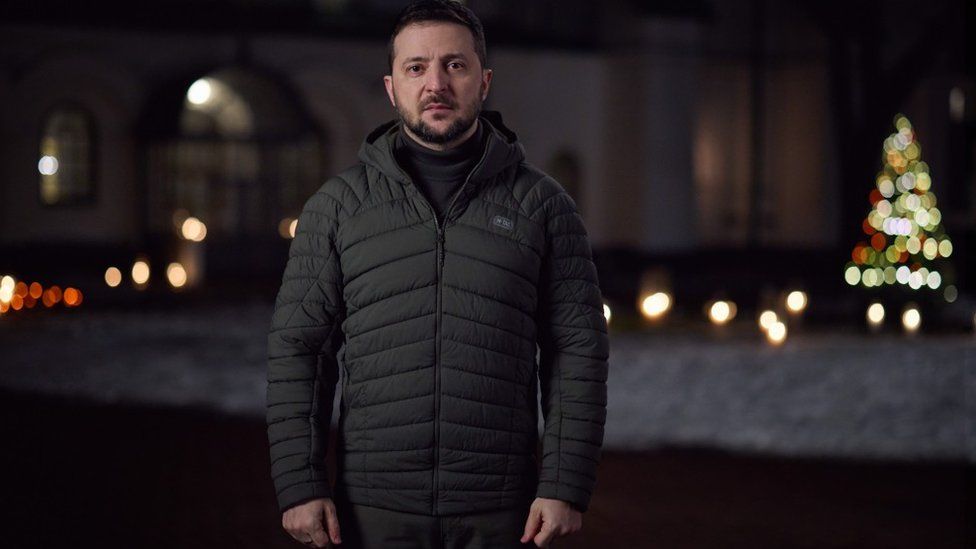
The Iranian and Russian regimes are “brothers in hatred”, Volodymyr Zelensky has told MPs and peers, as he warned about the dangers of drone warfare.
Addressing around 120 parliamentarians in a Westminster committee room, the Ukrainian president highlighted how Tehran was selling Shahed ‘kamikaze’ drones to Moscow, which had been used in Ukraine.
He also warned against easing sanctions on Russian oil, saying it was “crucial” to keep up the pressure against Moscow.
The US has temporarily eased sanctions on some Russian oil in an attempt to tackle surging prices triggered by the conflict in the Middle East.
Among those in the audience in a packed committee room were Prime Minister Sir Keir Starmer, Nato secretary-general Mark Rutte, Defence Secretary John Healey and leaders of opposition parties.
In his speech, Zelensky sought to link the headline-generating war in the Middle East with the long-running conflict in Ukraine.
He argued that Ukrainians were now pioneers in modern warfare and schooled in techniques they could share with allies.
In its fight against Russia, Ukraine has been using cheap, mass-produced interceptor drones to defend its skies.
Zelensky said there were now 201 Ukrainian military experts in the Middle East, with another 44 ready to deploy, who were sharing their knowledge on how to defend against Iranian drones.
He added that Ukraine was “ready to offer similar deals to all our reliable partners”.
On a TV screen, Zelensky demonstrated how Ukraine was mapping Russian strikes and defensive action against them in real time.
He explained how using technology as simple as an iPad allowed Ukrainian commanders to control the country’s security.
Zelensky added that during a meeting earlier at Buckingham Palace, he gave the King the iPad “as a sign of respect and gratitude”, to “strengthen our cooperation with the United Kingdom”.
Earlier, Sir Keir said “the focus must remain on Ukraine” despite the Iran war, ahead of a meeting with Zelensky.
Welcoming the Ukrainian leader to No 10, the prime minister said: “Putin can’t be the one who benefits from a conflict in Iran, whether that’s oil prices or the dropping of sanctions.”
During their meeting, the leaders agreed a new defence partnership aimed at tackling cheap attack drones.
Downing Street said the deal would bring together “Ukrainian expertise and the UK’s industrial base” to manufacture and supply drones and other capabilities.
Under the partnership between the UK and Ukraine, closer co-operation in the defence industries will also be sought with third countries as part of efforts to bolster international security.
Britain will also give £500,000 to fund an AI centre of excellence in Kyiv.
It comes as the US-Israeli war with Iran enters a third week, while US President Donald Trump continues to criticise the UK and other countries over the extent of their response to the conflict.
Rising oil prices are fuelling Russia’s war machine, while Ukraine’s allies are distracted and divided over the Middle East.
Zelensky is currently on a tour of European capitals to shore up support and keep his conflict at the forefront of allies’ minds. (BBC)
Another three members of the Iran’s women’s soccer team who accepted refugee visas to stay in Australia have decided to return to their homeland, an Australian government minister said on Sunday.
The departure leaves three of an initial seven squad members in Australia.
“Overnight, three members of the Iranian Women’s Football Team made the decision to join the rest of the team on their journey back to Iran,” Home Affairs Minister Tony Burke said in a statement.
“After telling Australian officials they had made this decision, the players were given repeated chances to talk about their options,” Burke added.
Iran’s team arrived in Australia for the Women’s Asian Cup last month, before the war in the Middle East began on Feb. 28.
Initially, six players and a support staff member from a squad list of 26 players accepted humanitarian visas to stay in Australia before the rest of the Iranian contingent flew from Sydney to Malaysia on March 9.
Another later changed her mind and left Australia. Three left Sydney for Kuala Lumpur, Malaysia, on Saturday night, a government official said. The rest of the team has remained in Kuala Lumpur since they left Australia.
Concerns about the team’s safety in Iran heightened when the players didn’t sing the Iranian national anthem before their first match.
The Australian government was urged to help the woman by Iranian groups in Australia and by U.S. President Donald Trump. (JapanToday)
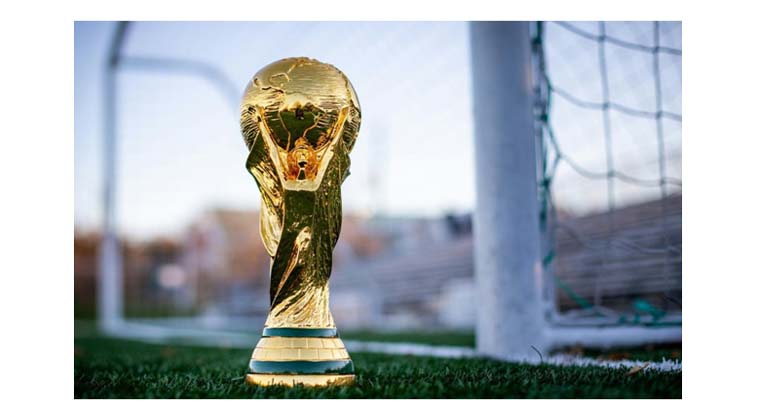
Mexican President Claudia Sheinbaum said on Tuesday that her country is prepared to host Iran’s first-round matches at the 2026 World Cup if needed due to the conflict in the Middle East.
Iran’s participation at this summer’s finals in the United States, Canada and Mexico has been in doubt since the war began last month, with President Donald Trump warning that Iranian players’ safety would be at risk if they travelled to the U.S.
Iran’s football federation has opened talks with FIFA about potentially relocating its matches from the United States, though the global governing body has so far maintained that the tournament’s schedule remains unchanged.
Asked directly if Mexico was open to hosting the matches, and if the decision will purely come down to FIFA logistics, Sheinbaum told a press conference: “Yes.”
“Mexico maintains diplomatic relations with every country in the world, therefore we will wait to see what FIFA decides,” she added.
Iran’s place at the tournament was thrown into question after the U.S. and Israel launched a massive offensive against the Islamic Republic, which responded with waves of missiles and drones targeting Israeli territory and American targets across the Middle East.
FIFA President Gianni Infantino initially said that Trump had given assurances that the Iranian team — scheduled to face New Zealand and Belgium in Los Angeles, followed by Egypt in Seattle — would still be welcome.
But the Republican president then triggered uproar last week after stating that Iran’s football team should not travel to the tournament “for their own life and safety”.
Iran hit back at Trump’s comments saying that “no one can exclude Iran’s national team from the World Cup”.
Iran were the second Asian team after Japan to qualify for the World Cup, securing their place almost a year ago as they topped their qualifying group.
On Monday, Iranian soccer chief Mehdi Taj wrote on social media: “When Trump has explicitly stated that he cannot ensure the security of the Iranian national team, we will certainly not travel to America.
“We are currently negotiating with FIFA to hold Iran’s matches in the World Cup in Mexico.”
Iranian soccer authorities “are currently discussing with FIFA whether it is feasible — since they were originally scheduled to go to the United States — to see if they can” move Iran’s games to Mexico, confirmed Sheinbaum. “The matter is under review and we will provide an update in due course.”
When contacted by AFP on the matter, FIFA said it was “looking forward to all participating teams competing as per the match schedule announced on 6 December 2025”.
“FIFA is in regular contact with all participating member associations, including IR Iran, to discuss planning for the FIFA World Cup 2026,” a spokesperson said.
The Iran team’s base camp for the tournament is currently slated to be located in Tucson, Arizona.
Abolfazl Pasandideh, Iran’s ambassador to Mexico, on Monday denounced “the U.S. government’s lack of cooperation regarding visa issuance and the provision of logistical support” for the Iranian delegation ahead of the World Cup, in a statement published on the embassy’s website.
Should Iran not take part in the World Cup, it is not yet clear which country might replace them. (JapanToday)
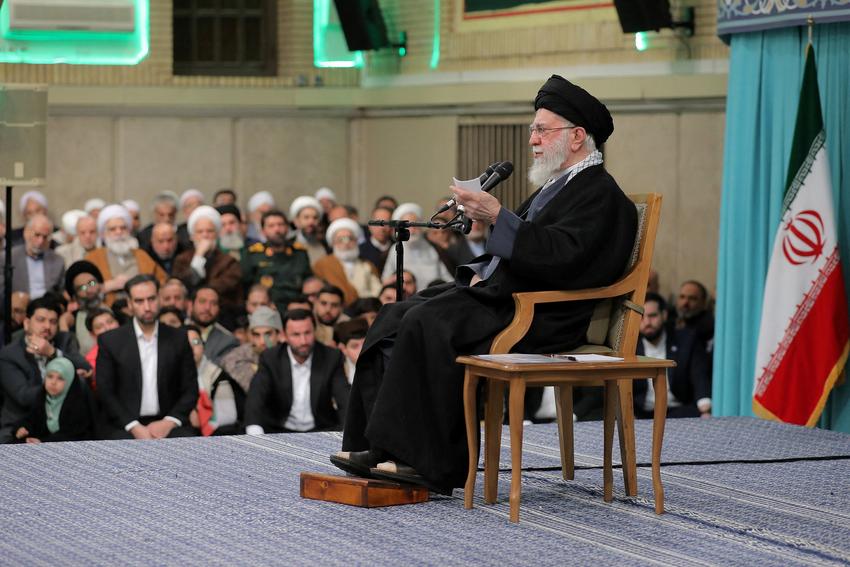
Israel launched a new wave of strikes on Tehran on Sunday and Iran responded with more missile barrages, a day after the killing of Supreme Leader Ali Khamenei pitched the Middle East and the global economy into deepening uncertainty.
Iran fired renewed missile barrages across the region. Israel’s ambulance service said nine people were killed in the town of Beit Shemesh, while the United Arab Emirates said Iranian attacks killed three people and Kuwait reported one dead.
Three U.S. service personnel were also killed and five seriously wounded, the first American casualties of the operation, the U.S. military said, without giving further information.
U.S. and Israeli strikes – and Iranian retaliation – sent shockwaves through sectors from shipping to air travel to oil, amid warnings of rising energy costs and disruption to business in the Gulf, a strategic waterway and global trade hub.
U.S. President Donald Trump has said the attack was intended to ensure Iran could not have a nuclear weapon, to contain its missile program and to eliminate threats to the United States and its allies.
In an interview with the Atlantic magazine on Sunday, Trump, who has encouraged the Iranian people to topple their government, said Iran’s leadership wanted to talk to him and he had agreed.
But he has yet to lay out his longer-term aims in Iran, which faces a power vacuum that could leave it in chaos, with unforeseeable consequences for the region.
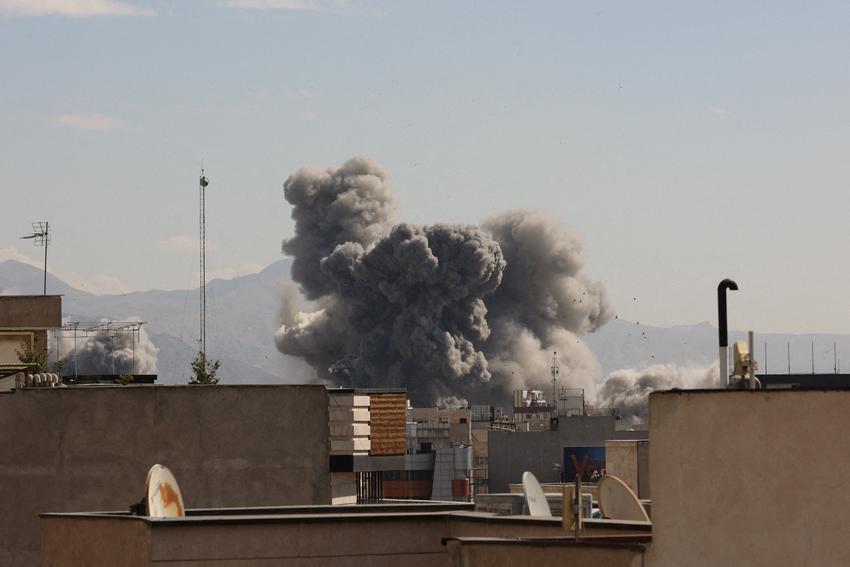
Smoke rises following an explosion, after Israel and the U.S. launched strikes on Iran, in Tehran, Iran, March 1, 2026. Majid Asgaripour/WANA (West Asia News Agency) via REUTERS
As the first U.S. casualties were reported, and with the vital Strait of Hormuz closed and the glittering Gulf cities of Dubai, Abu Dhabi and Doha under bombardment, the scale of the risk taken by Trump in launching the attack was becoming clearer.
Only around one in four Americans approve of the operation, according to a Reuters/Ipsos poll on Sunday, and if Hormuz, which is the passage for about 20% of world oil supplies, remains closed for more than a few days, squeezed U.S. consumers will start to feel the pressure on prices at the pumps, months before vital midterm elections.
Iran’s Revolutionary Guards said on Sunday they had hit three U.S. and UK oil tankers in the Gulf and the Strait of Hormuz, and attacked military bases in Kuwait and Bahrain with drones and missiles. Shipping data showed hundreds of vessels including oil and gas tankers dropping anchor in nearby waters with traders expecting sharp jumps in crude oil prices on Monday.
Global air travel was also heavily disrupted as continued air strikes kept major Middle Eastern airports, including Dubai – the world’s busiest international hub – closed in one of the biggest aviation interruptions in recent years.
In Iran, facing its biggest existential challenge since the 1980-88 war with Iraq, President Masoud Pezeshkian said a leadership council composed of himself, the judiciary head and a member of the powerful Guardians Council had temporarily assumed the duties of Supreme Leader.
Oman’s foreign ministry said Iranian Foreign Minister Abbas Araqchi had indicated that Tehran was open to any serious efforts at de-escalation.
But it remained unclear what the longer-term prospects were for Iran to rebuild its leadership and replace the 86-year-old Khamenei, who had held power since the death of the founder of the Islamic Republic, Ayatollah Ruhollah Khomeini in 1989.
Russian President Vladimir Putin denounced Khamenei’s death as a cynical murder and China’s Foreign Minister Wang Yi described it as “blatant killing”.
Israel, which has pressed successive U.S. administrations to take action against Iran, claimed responsibility for killing Khamenei, in what it said was a “precise, large-scale operation” guided by intelligence, while he was in his central leadership compound in the heart of Tehran.
It said it aimed to dominate the skies over Tehran, giving no sign of planning an end to the biggest aerial operation in its history, involving hundreds of fighter jets.
“We have the capabilities and the targets to keep going on for as long as necessary,” Israeli military spokesperson Lieutenant Colonel Nadav Shoshani said.
Trump warned that the U.S. would hit Iran “with a force that has never been seen before” if it struck back.
Trump said on social media the U.S. military had destroyed nine Iranian warships so far and was “going after the rest.”
Inside Iran, some grieved for Khamenei while others celebrated his death, exposing a deep fault line in a country stunned by the sudden demise of the man who ruled for decades.
Thousands of Iranians were killed in a crackdown authorized by Khamenei against anti-government protests in January, the deadliest wave of unrest since the Islamic Revolution of 1979.
Footage from Tehran showed mourners packed into a square, dressed in black and many of them weeping.
But videos posted on social media also showed joy and defiance elsewhere, with people cheering as a statue was toppled in the city of Dehloran in Ilam province, dancing in the streets of Karaj city, near Tehran in Alborz province, and celebrating in the streets of Izeh in Khuzestan province. Reuters has verified the locations of these videos.
Khamenei, who built Iran into a powerful anti-U.S. force and spread its sway across the Middle East during his 36-year iron-fisted rule, was working in his office at the time of Saturday’s attack, state media said. The raid also killed his daughter, grandchild, daughter-in-law and son-in-law. (JapanToday)
Israel has become the first country to formally recognise Somalia’s breakaway region of Somaliland as an independent nation.
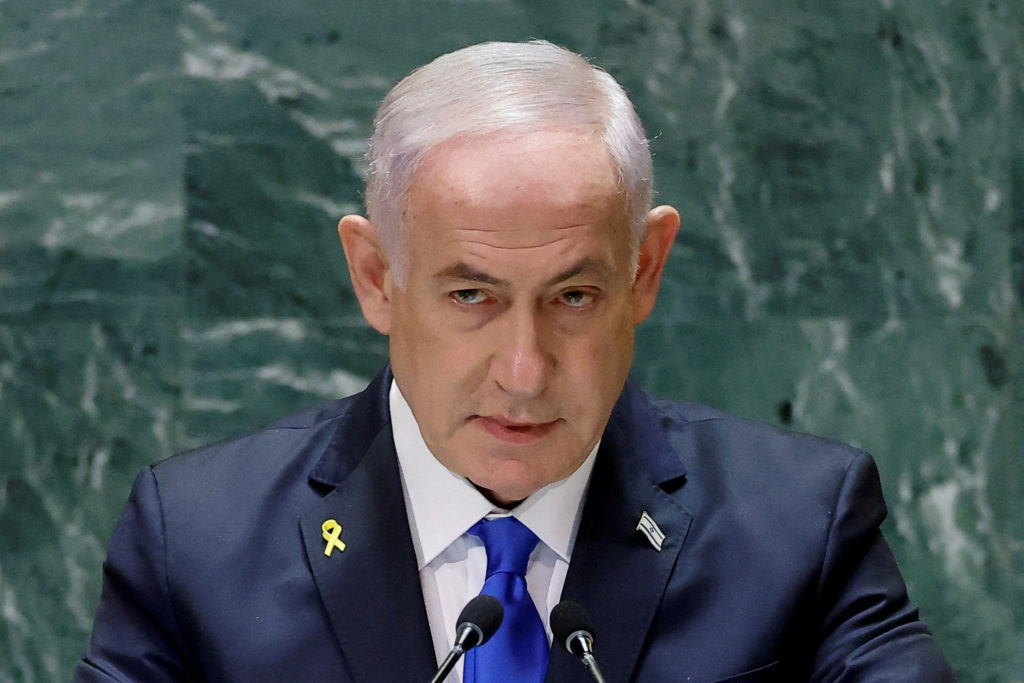
Prime Minister Benjamin Netanyahu, said Israel intended to immediately expand cooperation in agriculture, health, and technology. Somaliland’s president, Abdirahman Mohamed Abdullahi, called the development “a historic moment”.
Recognition by Israel could encourage other nations to follow suit, increasing the region’s diplomatic credentials and access to international markets.
Somalia’s prime minister, Hamza Abdi Barre, said his country categorically and unequivocally rejected what he called a deliberate attack by Israel on its sovereignty.
Abdullahi said in a statement that Somaliland would join the Abraham Accords, in what he called a step toward regional and global peace.
Somaliland was committed to building partnerships, boosting mutual prosperity and promoting stability across the Middle East and Africa, he added.
The decision has been condemned by the foreign ministers of Somalia, Egypt, Turkey and Djibouti, who in a statement affirmed their “total rejection” of Israel’s announcement.
The two countries had agreed to establish “full diplomatic ties, which will include the appointment of ambassadors and the opening of embassies”, Israeli Foreign Minister Gideon Saar said in a statement on X.
“I have instructed my ministry to act immediately to institutionalise ties between the two countries across a wide range of fields,” he said.
Meanwhile, Egypt’s foreign minister held separate phone calls with his counterparts in Somalia, Turkey and Djibouti to discuss issues including Israel’s declaration.
In a statement, Egypt’s foreign ministry said the four countries reaffirmed their support for Somalia’s unity, sovereignty and territorial integrity, and warned against unilateral steps that could undermine stability or create what they called “parallel entities” to Somalia’s state institutions.
They also argued that recognising the independence of parts of sovereign states would set a dangerous precedent under international law and the United Nations Charter.
The statement added that the ministers reiterated their rejection of any plans to displace Palestinians outside their homeland.
Israel has for years been trying to bolster relations with countries in the Middle East and Africa, but recent wars including in Gaza and against Iran have been seen as a hindrance to democracy.
Historic deals struck late in Trump’s first term in 2020, known as the Abraham Accords, saw several countries including Muslim-majority United Arab Emirates and Morocco normalise relations with Israel, with other countries joining later.
Somaliland has a strategic position on the Gulf of Aden, and has its own money, passports and police force. Born in 1991 after a war of independence against former dictator General Siad Barre, it has grappled with decades of isolation ever since.
With a population of almost six million, the self-proclaimed republic has recently been at the centre of several regional disputes involving Somalia, Ethiopia and Egypt.
Last year, an agreement between landlocked Ethiopia and Somaliland to lease a stretch of coastline for a port and military base angered Somalia. (BBC)
Donald Trump was heckled by left-wing politicians as he told Israel’s parliament the Gaza peace deal marks “the historic dawn of a new Middle East”.
Addressing the Knesset for more than an hour before signing the peace deal in Egypt on Monday afternoon, the US president said: “This is not only the end of a war.
“This is the end of an age of terror and death and the beginning of the age of faith and hope, and of God.
“It’s the start of a grand concord and lasting harmony for Israel and all the nations of what will soon be a truly magnificent region. I believe that so strongly. This is the historic dawn of a new Middle East.”
He added: “Against all odds, we have done the impossible, and brought our hostages home.”
The US president entered the Knesset to a two-minute standing ovation, before several members of the US and Israeli negotiating teams had their names read out to cheers and applause.
There was a particularly enthusiastic reaction for America’s envoy to the Middle East Steve Witkoff and Mr Trump’s son-in-law Jared Kushner who spearheaded the negotiations for the US president.
As Mr Trump heaped praise on Mr Witkoff, saying how he was a “great negotiator because he’s a great guy”, two left-wing Knesset members, Ayman Odeh and Ofer Kassif, heckled the president before being swiftly removed from the chamber.
Mr Trump said he has now stopped eight wars in eight months, claiming his personality “is all about stopping wars” – in reference to Hillary Clinton previously saying he has a personality that’s all about war.
The president called the peace deal, agreed on Thursday, an “incredible triumph” for Israel and the world to have so many nations working together for peace, and said the US joins Israel in “two everlasting vows – never forget, and never again”.
Mr Trump said “generations from now” this moment “will be remembered as the moment that everything began to change, and change very much for the better”.
“From Gaza to Iran, those bitter hatreds have delivered nothing but misery, suffering and failure,” he said.
The “total focus” of Gazans must be on restoring the fundamentals of stability, safety, dignity and economic development, he said.
“At last, not only for Israelis, but also for Palestinians and for many others, the long and painful nightmare is finally over, and as the dust settles, the smoke fades, the debris is removed and the ashes clear from the air,” he said.
During the lengthy speech, Mr Trump went off script, to much applause, as he called on Israeli President Isaac Herzog to pardon Israeli Prime Minister Benjamin Netanyahu, who is accused of corruption.
Earlier on Monday, Mr Trump simply said “yes” when asked by Israeli media if the war with Hamas was over.
In the Knesset gallery, a few people were wearing red hats that said: “Trump, The Peace President.”
Knesset speaker Amir Ohana announced he and US speaker of the house Mike Johnson will “rally speakers and presidents” from around the world to submit a nomination for Mr Trump for next year’s Nobel Peace Prize, to which the president smiled broadly.
Speaking ahead of the president, Mr Netanyahu said Mr Trump is “the greatest friend the state of Israel has had in the White House” and thanked him for the peace deal that returned all the remaining hostages.
He said the agreement “achieves all our objectives” and “opens the door to a historic expansion of peace in our region and beyond”.
Mr Netanyahu said he is “committed to this peace” as he admitted Israel has paid “a high price for this war”.
“But our enemies now understand just how powerful and just how determined Israel is,” the Israeli PM added.
“They understand that attacking Israel on October 7th was a catastrophic mistake. They understand that Israel is strong and that Israel is here to stay.”
Just before Mr Trump addressed the Knesset, the remaining 20 living hostages – all men – were released by Hamas to Red Cross officials, the Israeli military said.
The bodies of the remaining 28 dead hostages are also expected to be handed over as part of the deal, although timings remained unclear.
Palestinians were also awaiting the release of hundreds of prisoners held by Israel as part of the peace agreement.
The peace deal comes two years after Hamas stormed Israel on October 7 2023, killing 1,200 people and taking 251 hostages.
Israel’s military offensive has killed more than 67,000 Palestinians in Gaza, according to the Hamas-run health ministry, which the UN deems reliable, and a famine has been declared in parts of the area. (SkyNews)



 English