Posted on Leave a comment

Iran and Russia are ‘brothers in hatred’, Zelensky tells MPs

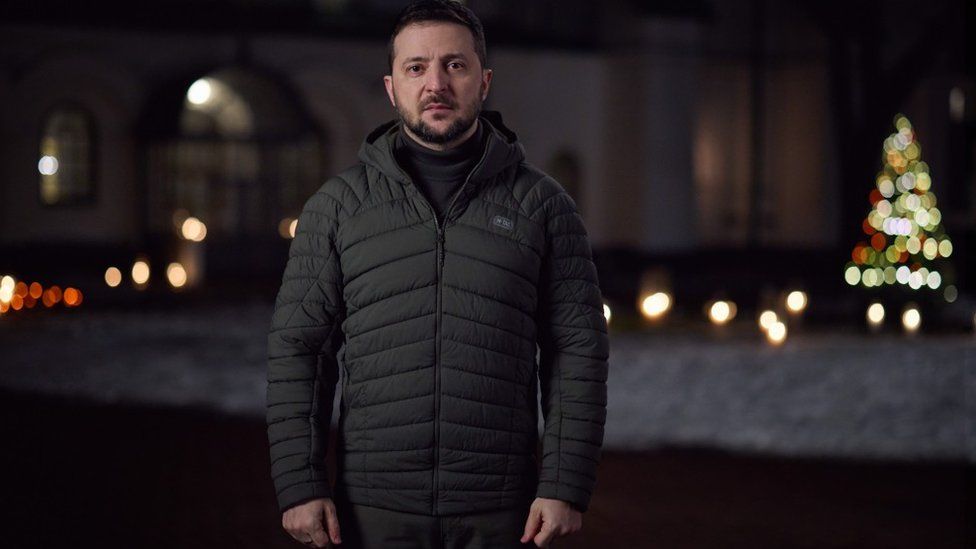
The Iranian and Russian regimes are “brothers in hatred”, Volodymyr Zelensky has told MPs and peers, as he warned about the dangers of drone warfare.

Addressing around 120 parliamentarians in a Westminster committee room, the Ukrainian president highlighted how Tehran was selling Shahed ‘kamikaze’ drones to Moscow, which had been used in Ukraine.

He also warned against easing sanctions on Russian oil, saying it was “crucial” to keep up the pressure against Moscow.

The US has temporarily eased sanctions on some Russian oil in an attempt to tackle surging prices triggered by the conflict in the Middle East.

Among those in the audience in a packed committee room were Prime Minister Sir Keir Starmer, Nato secretary-general Mark Rutte, Defence Secretary John Healey and leaders of opposition parties.

In his speech, Zelensky sought to link the headline-generating war in the Middle East with the long-running conflict in Ukraine.

He argued that Ukrainians were now pioneers in modern warfare and schooled in techniques they could share with allies.

In its fight against Russia, Ukraine has been using cheap, mass-produced interceptor drones to defend its skies.

Zelensky said there were now 201 Ukrainian military experts in the Middle East, with another 44 ready to deploy, who were sharing their knowledge on how to defend against Iranian drones.

He added that Ukraine was “ready to offer similar deals to all our reliable partners”.

On a TV screen, Zelensky demonstrated how Ukraine was mapping Russian strikes and defensive action against them in real time.

He explained how using technology as simple as an iPad allowed Ukrainian commanders to control the country’s security.

Zelensky added that during a meeting earlier at Buckingham Palace, he gave the King the iPad “as a sign of respect and gratitude”, to “strengthen our cooperation with the United Kingdom”.

Earlier, Sir Keir said “the focus must remain on Ukraine” despite the Iran war, ahead of a meeting with Zelensky.

Welcoming the Ukrainian leader to No 10, the prime minister said: “Putin can’t be the one who benefits from a conflict in Iran, whether that’s oil prices or the dropping of sanctions.”

During their meeting, the leaders agreed a new defence partnership aimed at tackling cheap attack drones.

Downing Street said the deal would bring together “Ukrainian expertise and the UK’s industrial base” to manufacture and supply drones and other capabilities.

Under the partnership between the UK and Ukraine, closer co-operation in the defence industries will also be sought with third countries as part of efforts to bolster international security.

Britain will also give £500,000 to fund an AI centre of excellence in Kyiv.

It comes as the US-Israeli war with Iran enters a third week, while US President Donald Trump continues to criticise the UK and other countries over the extent of their response to the conflict.

Rising oil prices are fuelling Russia’s war machine, while Ukraine’s allies are distracted and divided over the Middle East.

Zelensky is currently on a tour of European capitals to shore up support and keep his conflict at the forefront of allies’ minds. (BBC)

Posted on Leave a comment

Ukraine fears increased Russian aggression after US halt of weapons supply

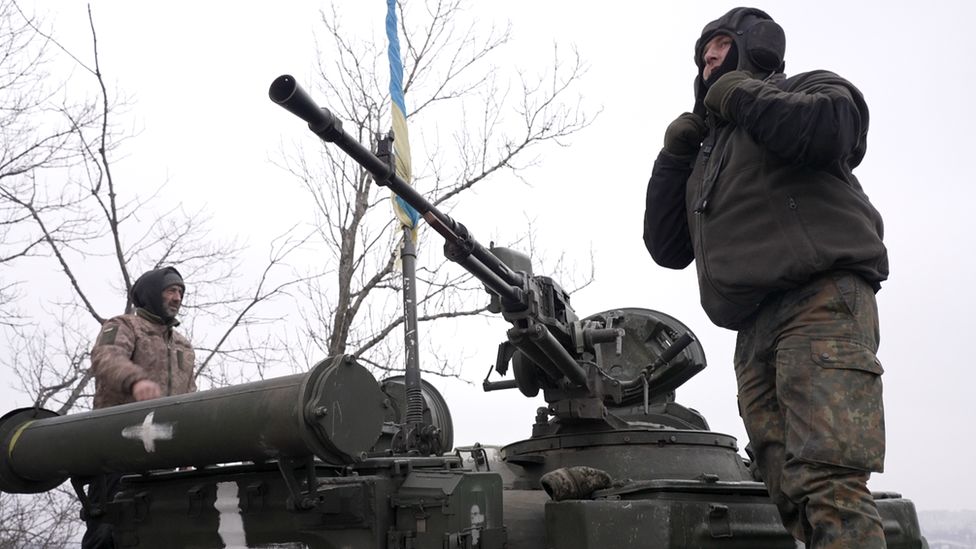
Kyiv has warned that an interruption of US weapons shipments will encourage Russia to prolong the war in Ukraine, now in its fourth year.

On Tuesday the White House said it had cut off some weapons deliveries to Ukraine.

The decision was taken “to put America’s interests first” following a defence department review of US “military support and assistance to other countries”, White House spokesperson Anna Kelly said.

Ukrainian President Volodymyr Zelensky said the two countries were now “clarifying all the details on supplies”, while the foreign ministry warned any delays “would only encourage the aggressor to continue war and terror, rather than seek peace”.

The ministry particularly emphasised the need for Kyiv to strengthen its air defences – as Russia continues to pummel the country with missiles and drones on a near-nightly basis.

A Kyiv-based US diplomat was invited to the foreign ministry for talks on Wednesday.

However, Ukraine’s defence ministry said it had not received any official notification from the US about the “suspension or revision” of the weapons deliveries, and urged people not to speculate on the basis of partial information.

But in a statement the defence ministry also said the path to ending the war was “through consistent and joint pressure on the aggressor”.

At the weekend Ukraine endured its biggest aerial attack since the start of Russia’s full-scale invasion, with more than 500 drones and ballistic and cruise missiles launched at its cities.

US officials did not immediately say which shipments were being halted.

According to American broadcaster NBC, the weapons being delayed could include Patriot interceptors, Howitzer munitions, missiles and grenade launchers.

The US has sent tens of billions of dollars in military aid to Ukraine since Russia launched its full-scale invasion in February 2022, leading some in the Trump administration to voice concerns that US stockpiles are too low.

The Kremlin, for its part, welcomed news of the reduction in weapons shipments, saying reducing the flow of weapons to Kyiv will help end the conflict faster.

“The fewer the number of weapons that are delivered to Ukraine, the closer the end of the special military operation,” Kremlin spokesman Dmitry Peskov told reporters.

Fedir Venislavskyi, an MP for Ukraine’s ruling party, said the decision was “painful, and against the background of the terrorist attacks which Russia commits against Ukraine… it’s a very unpleasant situation”.

A Ukrainian military source quoted by the AFP news agency said Kyiv was “seriously dependent on American arms supplies, although Europe is doing its best, but it will be difficult for us without American ammunition”.

Ukraine’s European allies have spent billions in military aid over the last three-and-a-half years.

However, military support for Kyiv is not endorsed by everyone on the political spectrum.

Czech President and former top Nato official, Petr Pavel, has been a staunch supporter of Ukraine – but he told BBC Russian he could “not guarantee” continued ammunition support for Kyiv, as that was dependent on the result of forthcoming Czech elections.

“I don’t know what will be the priorities of a new government,” he said.

The Pentagon’s move is based on concerns that US military stockpiles are falling too low, a source told CBS News, although Anna Kelly stressed “the strength of the United States Armed Forces remains unquestioned – just ask Iran”.

Separately, the US Undersecretary of Defense for Policy, Elbridge Colby, said in a statement the Pentagon “continues to provide the President with robust options to continue military aid to Ukraine”.

However, he added “the department is rigorously examining and adapting its approach to achieving this objective while also preserving US forces’ readiness for Administration defence priorities”.

The pause comes less than a week after President Donald Trump discussed air defences with Volodymyr Zelensky at the Nato summit in the Netherlands.

Trump said US officials “are going to see if we can make some of them available” when asked by the BBC about providing extra Patriot anti-missile systems to Ukraine.

Referring to his conversation with Zelensky, Trump said: “We had a little rough times sometimes, but he couldn’t have been nicer.”

The two had a heated confrontation in the Oval Office in February. Afterwards, Trump said he was pausing military aid to Ukraine that had been earmarked by the previous Biden administration. Intelligence sharing with Ukraine was also suspended. (BBC)