
Posted on Leave a comment

BBC chief resigns after row over Trump documentary

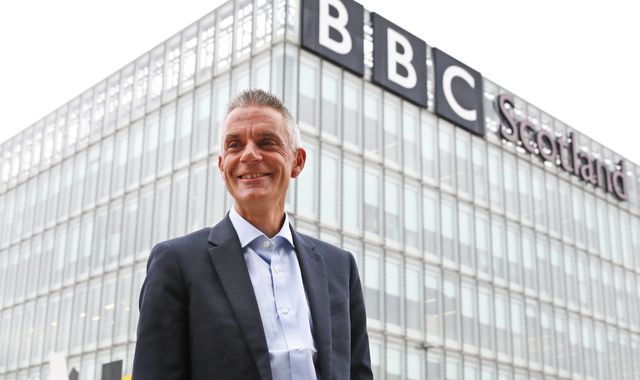
The Director General of the BBC, Tim Davie, announced his resignation on Sunday following a row over the editing of a documentary about US President Donald Trump.

Davie and the broadcaster’s head of news, Deborah Turness, resigned after accusations that a documentary by its flagship Panorama programme had edited a speech by Trump in a misleading way.

“Like all public organisations, the BBC is not perfect, and we must always be open, transparent and accountable.

“While not being the only reason, the current debate around BBC News has understandably contributed to my decision… I have to take ultimate responsibility,” Davie said in a statement posted on the BBC website.

The latest controversy follows a Daily Telegraph report this week that said concerns were first raised in the summer in a memo on impartiality by Michael Prescott, a former external adviser to the BBC’s editorial standards committee.

Earlier Sunday, the UK Culture, Media and Sport Minister Lisa Nandy called the allegations “incredibly serious”.

The BBC has promised “a full response” to Parliament’s culture, media, and sport committee on Monday.

The criticism emerged over clips spliced together from sections of a Trump speech on January 6, 2021, when he was accused of fomenting the mob attack on the US Capitol, seeking to keep him in power despite losing his re-election bid.

The edit made it appear he had told supporters he was going to walk to the US Capitol with them and “fight like hell”.

In the undistorted clip, however, the president urged the audience to walk with him, “and we’re going to cheer on our brave senators and congressmen and women.”

At the time, Trump was still disputing President Joe Biden’s election victory, in a vote that saw him ousted after his first term in office.

The edit was included in a documentary entitled “Trump: A Second Chance?” that was broadcast by the BBC the week before last year’s US election.

Nandy said the Trump edit was one of several concerns about editorial standards at the BBC.

“It isn’t just about the Panorama programme, although that is incredibly serious,” she told BBC television in an interview.

“There are a series of very serious allegations made, the most serious of which is that there is systemic bias in the way that difficult issues are reported at the BBC,” she said.

Nandy said she was concerned about a tendency for editorial standards and the language used in reports to be “entirely inconsistent”, whether it be on “Israel, Gaza… trans people or on this issue about President Trump”.

The licence fee-funded broadcaster earlier this year issued several apologies for “serious flaws” in the making of another documentary entitled “Gaza: How To Survive A Warzone”, broadcast in February.

In October, it accepted a sanction from the UK media watchdog for what was deemed a “materially misleading” programme, whose child narrator was later revealed to be the son of Hamas’s former deputy agriculture minister. (Punch)
Posted on Leave a comment

Gregg Wallace faces backlash over autism defence

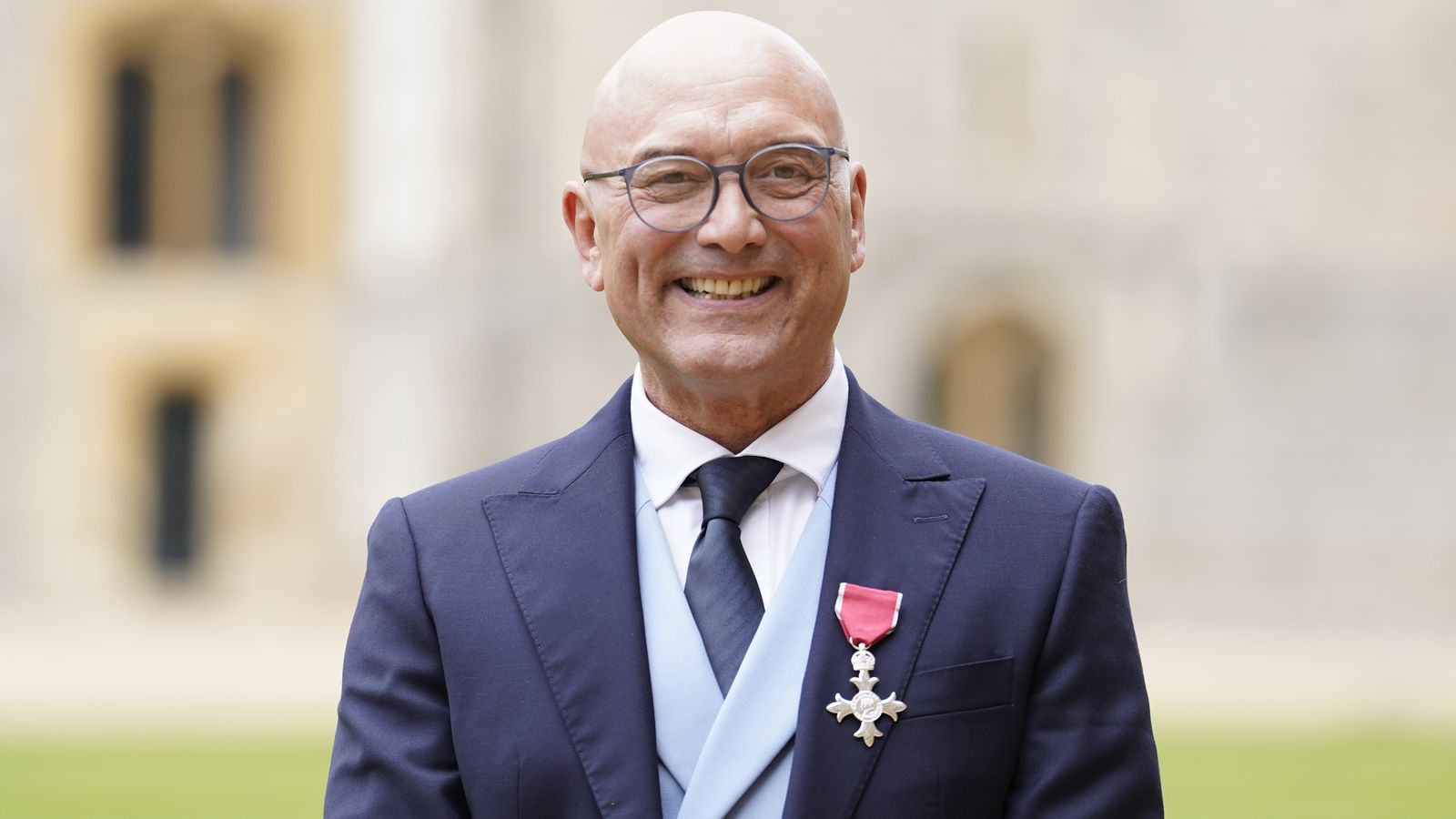
Former MasterChef host Gregg Wallace is facing criticism from charities and groups working with disabled people after he appeared to link claims of misconduct he is facing to his autism diagnosis.

Several dozen people have come forward to BBC News with allegations about Wallace, including inappropriate sexual comments, touching and groping, which he denies.

In a statement this week, the presenter defended himself and also said he had recently been diagnosed with autism, but that TV bosses had failed to “investigate my disability” or “protect me from what I now realise was a dangerous environment”.

One charity told BBC News that autism is “not a free pass for bad behaviour”, while other groups warned that such remarks risked stigmatising the autistic community.

Wallace has been sacked as MasterChef host, and a report into the accusations is expected to be published shortly. He has said it has cleared him of “the most serious and sensational allegations”.

On Tuesday, Wallace wrote on Instagram: “My neurodiversity, now formally diagnosed as autism, was suspected and discussed by colleagues across countless seasons of MasterChef.

“Yet nothing was done to investigate my disability or protect me from what I now realise was a dangerous environment for over 20 years.”

The Telegraph reported on Thursday that he plans to sue the BBC and the makers of MasterChef for discrimination on the grounds of his autism following his sacking.

And the Times reported friends of Wallace as saying his autism means he can’t wear underwear, and that his condition was partly to blame for his alleged inappropriate behaviour.

Speaking to BBC News, Seema Flower, founder of disabilities consultancy Blind Ambition, said there was “no excuse” for being inappropriate to people in society.

“Where does it leave us if we use autism as excuse to behave in whatever way we like?” she asked.

Her comments were echoed by Emily Banks, founder of neurodiversity training body Enna.

“To be clear: being autistic is never an excuse for misconduct. It doesn’t absolve anyone of responsibility, and it certainly doesn’t mean you can’t tell the difference between right and wrong.”

Dan Harris, who runs the charity Neurodiversity in Business and is himself autistic, said people like him “may miss social cues sometimes”.

“But autism is not a free pass for bad behaviour,” he added.

“Comments like this stigmatise us and add an unfortunate negative focus on our community.”

Last year, the charity Ambitious About Autism dropped Wallace as an ambassador in the wake of the original claims against him.

The comments have also sparked debate online and on radio phone-ins.

On BBC Radio 2’s Jeremy Vine Show, Jessie Hewitson, Director of NeuroUniverse, said people with autism “have been stereotyped since the dawn of time”.

She said she worried that remarks like this risk “forming a connection in peoples’ minds – either that autistic people behave inappropriately in the workplace or that we cannot take personal responsibility”.

But on social media, many people responded positively to Wallace’s post and sent him supportive messages.

And on BBC Radio 5 Live’s Nicky Campbell Show, which dedicated an hour to the topic on Thursday, some callers were sympathetic.

One called Danielle, who is autistic, said people with the condition “can misread situations quite often”.

“I think growing up undiagnosed, you grow up thinking everything you’re doing is wrong because you’re different and you then internalise a lot of that so you’re very oversensitive as well,” she said.

Another caller, Jake, said he thought Wallace should have had support a long time ago.

“You’ve got a man here who’s clearly out of touch, he’s been out of touch for a long time, he’s had nobody putting him back in line, whether that’s an employer, whether that’s a friend, whether that’s anybody, and at the moment that’s what he needs.

“He needs some compassion to get him back where he needs to be and I feel for his mental health.” (BBC)