
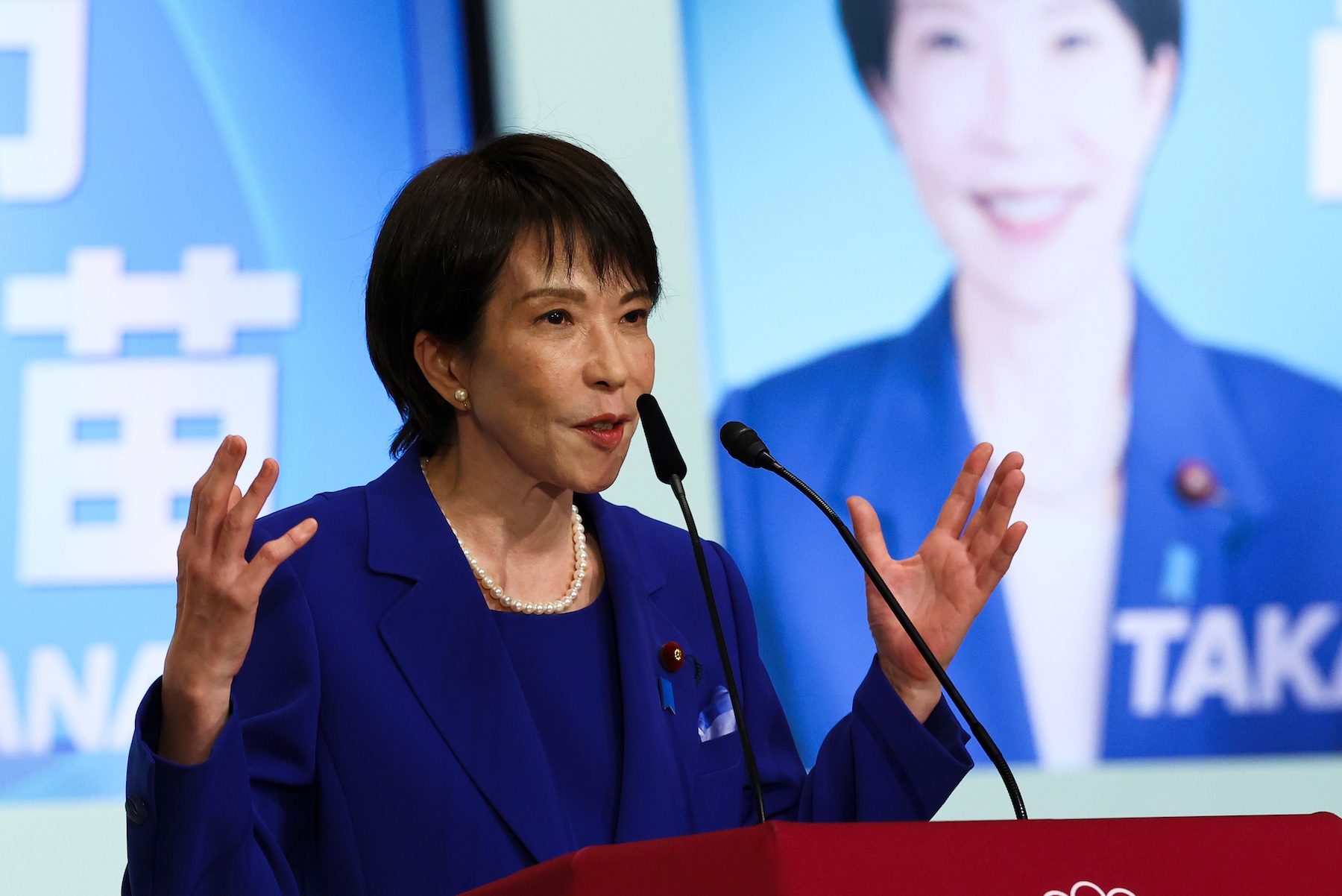
Japan’s ruling party, led by Prime Minister Sanae Takaichi, is considering raising the country’s income tax in January 2027 to cover part of a substantial increase in defense spending, sources close to the matter said Thursday.
The plan being floated within the Liberal Democratic Party would collect revenue for defense-related spending through a special income tax, the sources said.
Before Takaichi became premier in October, Japan decided to boost its defense-related spending to a combined 43 trillion yen over five years through March 2028 to cope with growing security threats.
The increase will be partly funded by raising corporate, tobacco and income taxes, but details have yet to be worked out on the timing of the income tax hike at a time of persistent inflation hurting households.
The plan under discussion within the LDP would raise the income tax so it would translate into upwards of 200 billion yen in added revenue, according to the sources.
A special income tax levied to finance rebuilding projects after the 2011 tsunami and nuclear disaster would also be reduced in an apparent effort to soften the expected blow to taxpayers.
But given that the temporary disaster-related income tax would then be extended to bring in the same amount of revenue overall, the envisioned defense-use income tax would still represent an added burden for households in the long term.
Before entering a coalition arrangement with the Takaichi-led LDP, the formerly opposition Japan Innovation Party was against tax hikes to pay for increased defense-related spending.
The corporate and tobacco taxes will be raised beginning next April, with an additional levy of 4 percent of the amount paid in corporate taxes. The tobacco tax hike will start with higher levies on vaping products.
Through the increases in the three tax categories alone, the government intends to secure slightly over 1 trillion yen annually by the end of March 2028. (JapanToday)
 English