
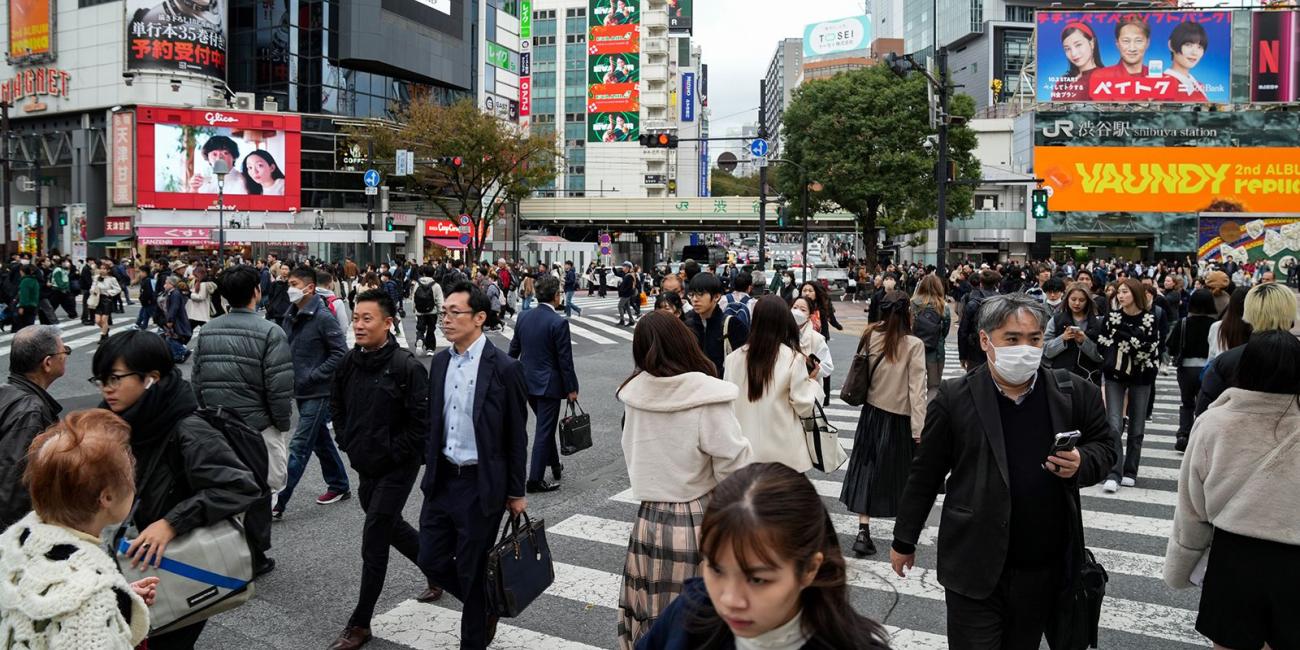
The population of Japanese nationals fell by a record amount—more than 900,000 people—in 2024, official data showed, as the country battles to reverse its perennially low birth rates.
While many developed countries are struggling with low birth rates, the problem is particularly acute in Japan, where the population has been declining for years.
Prime Minister Shigeru Ishiba has called the situation a “quiet emergency,” pledging family-friendly measures like more flexible working hours and free day care to try and reverse the trend.
Last year, the number of Japanese fell by 908,574, or 0.75 per cent, to 120.65 million.
The decline—for a 16th straight year—was the largest drop since the survey began in 1968, the internal affairs ministry said Wednesday.
Foreign resident totals, however, were at their highest since records began in 2013.
There were 3.67 million foreigners as of January 1, 2025, representing nearly three per cent of the whole population in Japan, which was more than 124.3 million as of that date.
The overall population of the country declined by 0.44 per cent in 2023.
The latest figures come as the government struggles to raise stubbornly low birth rates, while frustration over inflation and other concerns among some voters prompted the rise of a new opposition party with a slogan of “Japanese First”.
The anti-immigrant party has falsely claimed foreigners enjoy more welfare benefits than Japanese nationals.
Foreign nationals are helping address labour shortages exacerbated by the ageing population, and most commonly hold jobs in the manufacturing, hospitality, and retail sectors.
By age, Japanese nationals aged 65 and over accounted for nearly 30 per cent of the population, while the age group between 15 and 64 made up 60 per cent, both minor increases from the previous year.
Japan has the world’s second-oldest population after tiny Monaco, according to the World Bank.
The number of births in Japan last year fell below 700,000 for the first time on record, health ministry data released in June said.
The fast-ageing nation welcomed 686,061 newborns in 2024—41,227 fewer than in 2023, the data showed. It was the lowest figure since records began in 1899.
The shrinking population is also gutting rural communities, with the number of abandoned homes in Japan soaring to almost four million over the last two decades, government data released last year showed.
Many of the homes belong to people living in major cities who have inherited them from relatives and who are unable or unwilling to keep them renovated.
The world’s oldest person, Japanese woman Tomiko Itooka, died at the age of 116 in December.
Women typically enjoy longevity in Japan, but the expanding elderly population is leading to soaring medical and welfare costs, with a shrinking labour force to pay for it. (Punch)
 English