The Lagos State Traffic Management Authority has officially banned all forms of indiscriminate parking and road obstruction as the state prepares for the massive influx of commuters during the upcoming 2025 – 2026 Cross-Over Night celebrations.
In a statement issued on Sunday by the Director of the Public Affairs and Enlightenment Department, Adebayo Taofiq, the agency revealed a “zero-tolerance” stance against motorists who convert public roads into parking lots or event spaces.
Addressing the expected surge in activities at worship centers, nightclubs, and event venues, the General Manager of LASTMA, Mr. Olalekan Bakare-Oki, warned that the agency is ready to enforce traffic laws strictly.
“LASTMA strongly condemns the abuse of public road infrastructure through its conversion into improvised parking spaces or informal event venues, describing such acts as egregious violations of traffic regulations with far-reaching implications for public safety, emergency response and urban mobility”, Bakare-Oki said.
To manage the “exponential increase” in movements, Bakare-Oki disclosed that a specialised enforcement framework has been activated.
This, according to him, includes the recently inaugurated ‘LASTMA 24-Hour Night Gangs’, a dedicated unit of trained officers and surveillance teams tasked with clearing flashpoints across the state.
The agency further appealed to the leadership of religious institutions and social hubs to take responsibility for their guests’ vehicles, rather than allowing them to spill onto major carriageways.
Bakare-Oki stressed that the success of the night depends on mutual cooperation between the public and enforcement officers.
“Collective compliance remains indispensable to the realisation of a peaceful, orderly and seamlessly managed cross-over night across Lagos State”, he said.
LASTMA urged residents to remain patient and cooperative as the agency works to maintain order.
In the event of traffic-related emergencies, members of the public are advised to contact the LASTMA toll-free hotline at 0800 005 27862 for real-time intervention. (Punch)
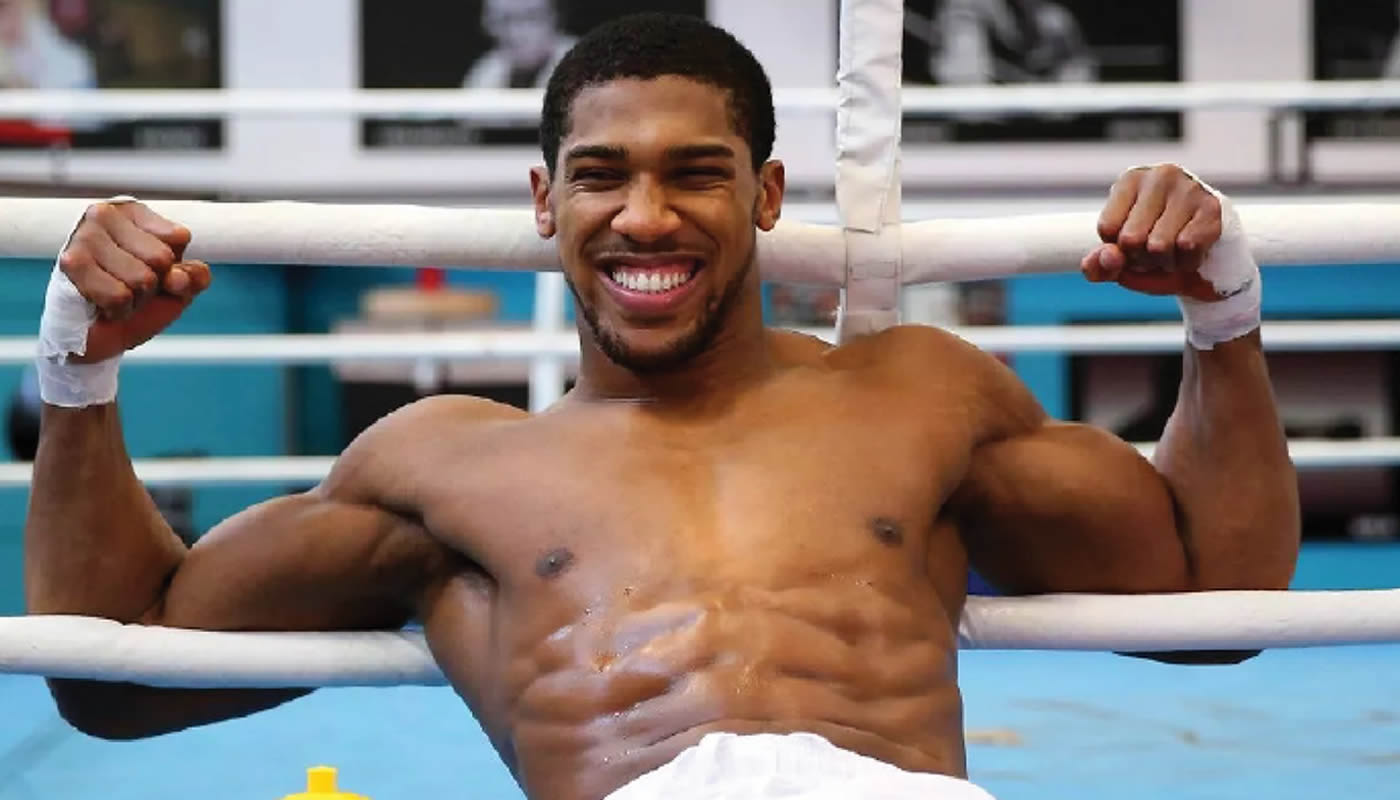
The Ogun and Lagos State governments have confirmed that British-Nigerian heavyweight boxing champion, Anthony Joshua, and another survivor of Monday’s road accident on the Lagos–Ibadan Expressway are currently receiving medical care at a specialised hospital in Lagos.
In a joint statement issued by Commissioner, Information, Lagos State, Gbenga Omotosho, and Special Adviser, Information, Ogun State, Kayode Akinmade, on Monday, the two state governments said the accident involved a vehicle conveying Joshua and three others, which collided with a stationary truck, resulting in two fatalities.
“The vehicle conveying the team of four ran into a stationary truck, resulting in two fatalities,” the statement said.
The governments expressed sympathy with the families of those who lost their lives in the incident and assured the public that investigations were underway to determine the circumstances surrounding the crash.
“We sympathise with the families of those involved in the accident, and pray that God will grant them the strength to go through this difficult time,” the statement added.
According to the statement, Joshua and another passenger were immediately evacuated from the scene to a specialised medical facility in Lagos, where they underwent several clinical assessments.
“Anthony Joshua and another passenger were immediately evacuated to a specialised facility in Lagos.
“Doctors have conducted several clinical assessments and have confirmed that both patients are stable and do not require any emergency interventions at this time,” the governments said.
It added that a comprehensive medical team had been convened to closely monitor their condition.
“Anthony Joshua has since been relating well with his family,” the statement noted.
The governments of both states said they were closely monitoring the situation to ensure that the injured persons receive optimal medical attention.
“The governments of Ogun and Lagos are keenly monitoring the situation and will ensure that the two persons receive the best medical care,” the statement said, while also noting that investigations into the crash had commenced.
The authorities also appealed for privacy for the boxer and his family. “We appreciate the public’s concern and ask for privacy for Anthony Joshua and his family during this time,” the statement said.
PUNCH Online had earlier reported that the accident occurred shortly after 11am on Monday at Makun, Ogun State, along the Lagos–Ibadan Expressway. (Punch)
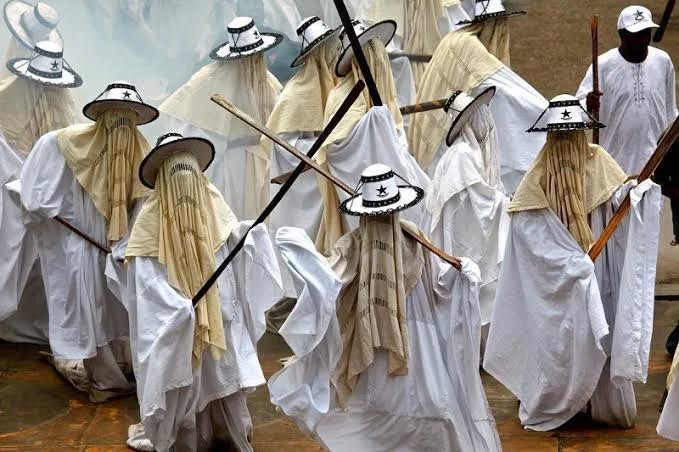
President Bola Tinubu, on Saturday, joined thousands of Lagos residents and cultural enthusiasts at the grand finale of the 2025 Eyo Festival in Lagos, marking the return of the iconic cultural parade after an eight-year hiatus.
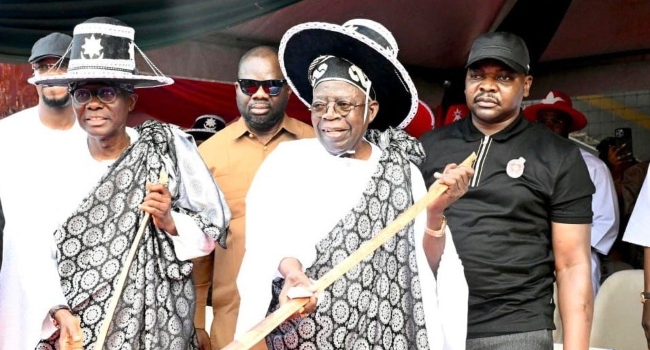
According to a statement issued by the Special Advider to the President on Information and Strategy, Bayo Onanuga, the colourful event, held at Tafawa Balewa Square, Lagos, featured the President dressed in the traditional white robe, damask sash and distinctive hat associated with Eyo masqueraders.
The President also carried the customary opambata staff during the procession after it was presented to him in his Lagos residence on December 21.
The statement noted that this year’s festival honoured four eminent Lagos figures—former military administrator of Lagos State, Brigadier-General Mobolaji Johnson; former Governors Lateef Kayode Jakande and Sir Michael Otedola; and the late Alhaja Abibat Mogaji, former Iyaloja-General and mother of President Tinubu, breaking from the traditional practice of recognising one or three honourees.
In a message sent to organisers, Tinubu described the celebration as “a great rekindling of our culture,” saying the festival underscores the richness of Lagos traditions and the achievements of distinguished Nigerians.
He added that the timing of the festival, coinciding with the festive travel season, highlights the tourism potential of Nigerian cultural heritage.
“The Eyo Festival is a vibrant expression of the rich traditions of Lagos. It celebrates the achievements, outstanding contributions, and exemplary lives of distinguished Nigerians—not only eminent Lagosians,” he said.
The President added that all the honorees deserved the recognition.
He said, “They were leaders and builders whose visionary leadership, influence, and diligence in public service helped nurture Lagos State to both national and international prominence”.
The President also noted the festival’s timing, which coincides with Detty December, a period when Lagos welcomes thousands of Nigerians from the diaspora and foreign visitors.
“It is a reminder that our culture and traditions hold great tourism potential. Indeed, our cultural assets can serve as valuable resources for destination promotion. The glamour of white-robed figures parading our streets in celebration of distinguished Lagosians sends a resounding message about our identity and our country,” he said.
The President encouraged all revellers to celebrate peacefully and ensure the safety of all participants.
In his remark, Lagos State Governor, Babajide Sanwo-Olu, said the festival represented a “homecoming” for the President and marked a significant moment in the preservation of Yoruba heritage.
“What we’re celebrating here today is the first of its kind. As our son, our father, we are seated with the President and Commander-in-Chief of the Armed Forces of Nigeria to witness a history of the cultural heritage of Lagos. “Mr President, it is not just a coincidence; it is history in your lifetime that is being put in place today. “We honour you, give God the glory for your life, and we are indeed excited that God Almighty can bring you and most of your people to come and celebrate the best of the cultural heritage of Lagos,” he said.
Sanwo-Olu commended the traditional institutions under the Oba of Lagos, Oba Rilwan Akiolu, for their exemplary leadership in reviving the festival.
“Today, we gather on this historic ground at the Tafawa Balewa Square, wrapped in the timeless majesty of the Eyo Festival, the sacred Adamu Orisha Play.
“After an eight-year interval, this revered tradition returns to Lagos in full splendour, standing as a powerful affirmation of our identity, our resilience, and unbroken connection to our history.
“The Eyo Festival is far more than a pageantry. It is a living archive of our Yoruba heritage and a symbol of unity, a symbol of purity and the communal strength of Lagos,” he said.
The governor assured his audience that his administration will continue to advance the state’s socio-economic trajectory without abandoning its cultural roots.
He said his administration will maximise the festival’s potential as it projects Lagos onto the global stage. (Punch)
President Bola Tinubu on Friday joined Muslim faithful for Jumat prayers at the Lekki Central Mosque, where the visiting Imam, Dr. Salahudeen Munirudeen Arriyadhi, urged him to remain resolute and focused on his vision for Nigeria despite mounting challenges and criticisms.
Delivering his sermon before the congregational prayers, Dr. Arriyadhi commended the President for the administration’s ongoing developmental efforts, noting that leadership inevitably attracts divergent opinions and resistance.
He reminded the President that it is impossible to please everyone at the same time, urging him not to be distracted by opposition but to remain guided by purpose and service.
Quoting from the Qur’an, the Imam said Allah is pleased with leaders who listen to the cries of their followers and respond to their needs, but displeased with those who ignore the plight of the people they govern.
“Leadership is a trust,” he said, adding: “We are praying for you. By the grace of Allah, you will succeed.” In the sermon titled Unity in Diversity and Remembering the Day of Judgement, Dr. Arriyadhi stressed that human differences in colour, tribe, religion, language and nationality are neither accidental nor arbitrary, but divinely ordained.
He explained that diversity is intended to promote understanding, cooperation and mutual respect, rather than division and conflict.
“Diversity is a sign of Allah’s wisdom,” the Imam said. “If Allah had willed that all His creation be the same, He would have created them so. Differences in tribe, language and religion should therefore not be a source of hostility, but a foundation for harmony, unity and learning.”
President Tinubu was accompanied to the mosque by his Chief of Staff, Femi Gbajabiamila, and the National Security Adviser, Nuhu Ribadu, alongside other senior government officials.
He was received by the Deputy Governor of Lagos State, Obafemi Hamzat, as well as members of the mosque’s management committee.
The President had arrived in Lagos on Saturday, December 20, to spend the end-of-year festive season in the nation’s commercial capital. (Guardian)
The Lagos State Police Command has said the recovery of a locally made firearm in the Ishashi area underscores its continued reliance on stop-and-search operations as part of broader efforts to prevent crime across the state.
In a statement posted on its official X handle on Friday, the command disclosed that operatives of the Anti-Crime Unit attached to the Ishashi Division recovered a cut-to-size double-barrel firearm and two cartridges during a patrol on Tuesday at about 10:45 p.m.
The police said the recovery was made in the course of a routine stop-and-search operation carried out within the division’s jurisdiction, adding that the operation was led by the Divisional Police Officer.
Reaffirming its position on preventive policing, the command said such measures remain central to disrupting criminal activity before it occurs and strengthening public safety.
Meanwhile, the Nigeria Police Force has said recent intelligence-led operations across several states resulted in the arrest of 22 suspects and the recovery of firearms, vehicles, motorcycles, illicit drugs and other items linked to criminal activities.
In a statement issued on Thursday, the Force Public Relations Officer, CSP Benjamin Hundeyin, said the operations were carried out by operatives of the Force Special Tactical Squad and targeted offences ranging from armed robbery and kidnapping to banditry, cattle rustling, impersonation and drug trafficking.
Hundeyin said six firearms were recovered during the operations, including “one LAR rifle, one pump-action gun, one AK-49 rifle, one AK-47 rifle and one SMG rifle, alongside two rounds of live ammunition”. He added that a total of 45 other exhibits were also recovered, comprising vehicles, motorcycles, illicit drugs and items suspected to have been used in committing various crimes.
According to the police, one of the key operations took place along the Kaduna–Abuja Expressway, where operatives intercepted a J5 vehicle conveying 13 brand-new motorcycles, weapons and other incriminating materials. Hundeyin said further investigation led to the arrest of a 35-year-old suspect, Luke Ifeanyi, in connection with alleged armed robbery and economic sabotage.
He also disclosed that, in a separate operation within the Federal Capital Territory, operatives arrested a Kuje Custodial Centre escapee, Ayo Abiodun, who is suspected to have carried out a violent robbery involving a serving Nigerian Army officer.
The police spokesperson said another suspect, 40-year-old Yusuf Shehu, was arrested with a stolen tricycle and was found to be impersonating a police officer. “A police mobile uniform and a police identity card were recovered from him,” Hundeyin said.
He further stated that operatives intercepted a vehicle conveying large quantities of leaves suspected to be cannabis and other controlled substances during routine patrols.
In Edo State, Hundeyin said four suspects were arrested for unlawful possession of prohibited firearms and alleged violent attacks on a community. He added that in Lagos and Ogun states, two suspects linked to a car-snatching syndicate were also apprehended.
The police said investigations into the various cases were ongoing, while efforts were being intensified to dismantle criminal networks operating across the country. (Guardian)
The Peoples Democratic Party, PDP, faction aligned with the Minister of the Federal Capital Territory, Nyesom Wike, has inaugurated a 19-member State Caretaker Committee to oversee the party’s affairs in Lagos State.
The News Agency of Nigeria, NAN, reports that the inauguration followed a fresh twist in the PDP’s ongoing national leadership crisis, after the Wike-backed National Working Committee, NWC, announced the dissolution of some state party executives, including those in Lagos.
The factional NWC is chaired by Alhaji Abdulraman Mohammed, with Senator Samuel Anyanwu serving as National Secretary.
At the ceremony held in Ikeja on Wednesday, the Deputy National Secretary of the factional NWC, Mr Adedeji Doherty, who represented the National Chairman, criticised what he termed blatant disregard for the PDP constitution by some party members.
Doherty, a former Lagos PDP Chairman and governorship candidate, accused certain party leaders among them Oyo State Governor Seyi Makinde and Chief Olabode George of contributing to the protracted internal crisis.
He said the newly constituted caretaker committee had the backing of “recognised PDP leaders” and urged party members to close ranks to revive the party.
“We are issuing red cards to those hell-bent on destroying the PDP. The PDP is very important to us. Today marks a new chapter in the evolution of democracy and the party.
“We have heard a lot about court judgments and conflicting judgments on who the authentic chairman of the PDP is.
“As far as we are concerned, and as far as the Independent National Electoral Commission (INEC) is concerned, the Ibadan National Convention that produced the Tanimu Turaki-led PDP National Working Committee should not have taken place,” he said.
Doherty described the November PDP convention as illegitimate, alleging it was conducted in violation of democratic principles.
According to him, Mohammed remains the lawful National Chairman of the party.
He charged members of the Lagos caretaker committee to strictly comply with the PDP constitution and guidelines, adding that the conduct of party congresses would commence in January.
“I want the new caretaker committee to be so guided. We must return this party to the great days. We must not go against the tenets of the party and its constitution.
“PDP in Lagos State is going to witness a serious turnaround. I want to call on all those who left the PDP in Lagos for one reason or another to return and take managerial positions.
“We must join hands to rebuild our party again. Rebuilding the party at this period is more important to us than who becomes president in 2027,” he said.
On the 2027 general elections and the debate over a Southern presidency, Doherty said it would not be out of place for the PDP to support President Bola Tinubu of the All Progressives Congress, APC, to complete a second term.
“It does not mean that we are going to abandon our PDP and declare for the APC. It also does not mean that when you see PDP governors declaring for the APC, they cannot return.
“I believe in Wike’s decision to support President Bola Tinubu in 2027. It is his prerogative,” he said.
He added that unseating Tinubu in 2027 would be extremely difficult.
“It is going to be a herculean task,” he said.
Doherty also lamented that the internal crisis had forced many prominent figures out of the party.
NAN reports that Mr Kayode Ogunbiyi was inaugurated as Chairman of the Lagos State Caretaker Committee, while Mr Jamiu Awofala was sworn in as Secretary.
Other members include Mrs Akinro Bolaji, Mr Ege Allen, Mr Audu Salami, Mr Gani Ogungbayi, Mr Ola Odunwa, Mr Samson Hundeyin, Mrs Adebimpe Mariam and Mr Solomon Yusuf. (DailyPost)
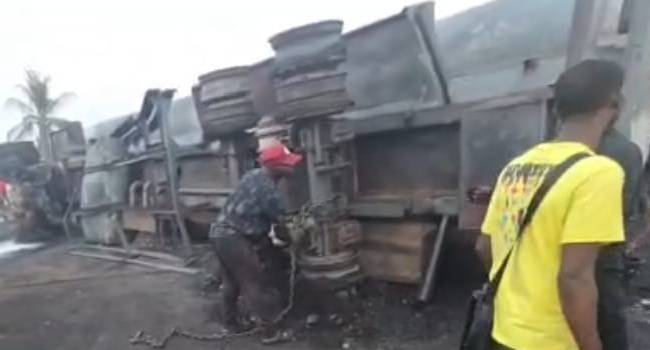
The Lagos State Traffic Management Authority (LASTMA) has announced a fatal tanker explosion involving a Mack Truck conveying diesel, which occurred in the early hours of today at the Oto-Ijanikin axis, in the vicinity of the Lagos State University of Education (LASUED), inward Agbara, along the Badagry Expressway, Lagos.
Preliminary findings from security investigations indicate that the unfortunate incident was caused by excessive speed, as the tanker driver reportedly lost control of the vehicle while attempting to overtake another road user.
The vehicle subsequently crashed and erupted into a raging inferno, tragically trapping and claiming the lives of the driver and an adult female occupant.
LASTMA personnel who were actively monitoring vehicular movement within the corridor secured and cordoned off the affected stretch of the expressway to forestall secondary incidents, while immediately notifying the Lagos State Fire and Rescue Service (Ojo Unit), Federal Road Safety Corps (FRSC) and the Ijanikin Police Division for urgent emergency response and security reinforcement.
The LASTMA operatives prevented members of the public who had converged on the scene with containers from scooping the spilt diesel. This timely intervention effectively averted a potential escalation of the tragedy before the arrival of other emergency and security agencies.
Following the successful containment of the blaze and clearance by relevant authorities, the severely burnt tanker was evacuated from the expressway by LASTMA personnel to prevent further road mishaps along the busy transport corridor, while FRSC removed the remains of burnt bodies.
The General Manager of LASTMA, Olalekan Bakare-Oki, expressed sorrow and extended condolences to the families and loved ones of the deceased, particularly poignant during this festive season.
He described the incident as deeply painful and entirely avoidable, reaffirming the Authority’s steadfast commitment to road safety and the sanctity of human life.
Bakare-Oki further underscored the urgent necessity for tanker and articulated vehicle drivers to exercise heightened caution, observe prescribed speed limits and comply strictly with all traffic regulations, noting that reckless driving and speeding remain dominant factors in fatal road traffic crashes across the metropolis.
He also seized the opportunity to caution members of the public against the dangerous and irresponsible practice of scooping petroleum/Diesel products from accident scenes, emphasising that such conduct poses grave and far-reaching risks to both individuals and the general public. (Guardian)
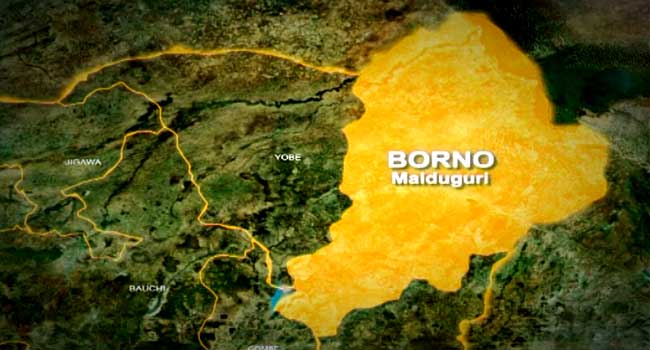
An explosion has ripped through a mosque in northeastern Nigeria as worshippers gathered for their evening prayers, killing at least five people and wounding dozens more, police said.
The blast took place at about 6pm on Wednesday (17:00 GMT) in the city of Maiduguri in Borno State, witnesses told the media.
Police said five people died and 35 were injured in the attack, which it said is likely a suicide attack.
“Preliminary investigations further suggest that the incident may have been a suicide bombing, based on the recovery of fragments of a suspected suicide vest and witness statements recorded, while investigations are ongoing to establish the exact cause and circumstances,” Nahum Daso, spokesperson for Borno state police command, said in a statement.
Daso said police were conducting a sweep of the area in Maiduguri’s Gamboru market in search of secondary devices.
Mosque leader Malam Abuna Yusuf earlier told the AFP news agency that at least eight people had died in the attack, while a militia leader, Babakura Kolo, put the figure at seven.
Another witness, Musa Yusha’u, told AFP that he saw “many victims being taken away for medical treatment”.
The cause of the blast was not immediately known, but it occurred in a city that has been at the heart of an armed rebellion waged by Boko Haram and ISIL’s (ISIS) offshoot in the region, the Islamic State West Africa Province, for nearly two decades.
No group has claimed responsibility for the attack, but the use of suicide bombers has been heavily attributed to Boko Haram.
The conflict in northeast Nigeria has killed at least 40,000 people and displaced about two million from their homes since 2009, according to the United Nations.
Though the violence has waned since its peak about a decade ago, it has spilt into neighbouring Niger, Chad and Cameroon.
Concerns are also growing about a resurgence of violence in parts of the northeast, where armed groups remain capable of mounting deadly attacks despite years of sustained military operations.
Maiduguri itself – once the scene of nightly gun battles and bombings – has been calm in recent years, with the last major attack recorded in 2021. (AlJazeera)
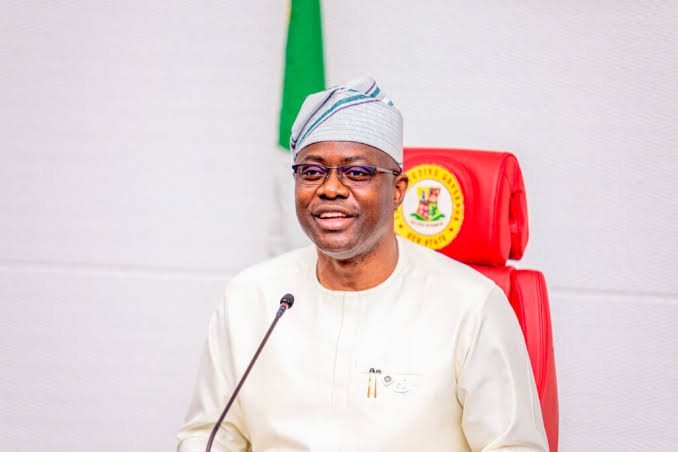
The Alaafin of Oyo, Oba Abimbola Akeem Owoade 1, has congratulated the Oyo State Governor, Engineer Seyi Makinde, on the occasion of his 58th birthday, describing him as “a leader who demonstrates the rare combination of thinking and doing.”
Alaafin conveyed the congratulatory message in a Thursday statement signed by his Director of Media and Publicity, Bode Durojaiye.
Alaafin expressed that Makinde has exhibited the quality of a good leader who has the courage not only to take actions but also to face the consequences of his actions.
Oba Owoade commended Makinde as a leader with a vision, courage and competence, underscoring his believes in probity as a factor for steady growth in Oyo State.
Owoade said, “Governor Makinde is more interested in people who can sustain his institutional reforms and other legacies and not in his own personal preferences.
“If you are brilliant, truthful and hardworking, he will work with you. He runs an inclusive government but you can only get something from him if you key into his vision of RTR, meaning reformation, transformation and repositioning. Makinde is a true believer who fears God and in tune with the spirit of the word of God . He is not arrogant, uncouth, and incoherent.”
Alaafin said that the State will always be grateful to Governor Makinde as the purveyor of unprecedented achievements that have far-reaching effects on the lives of the people.
Oba Owoade therefore prayed God to grant Gov. Makinde long life, good health and divine guidance in the arduous tasks ahead of him. (TVCNews)
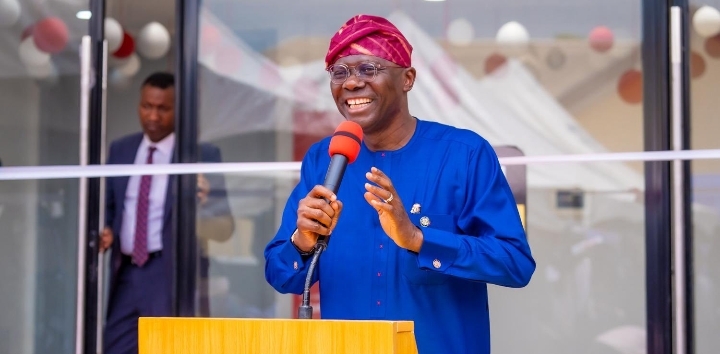
Lagos State Governor, Babajide Sanwo-Olu, has commiserated with the victims affected by the tragic fire incident that engulfed the 25-storey Great Nigeria Insurance (GNI) Building on Martins Street, Lagos Island.
Sanwo-Olu conveyed his message in a Thursday statement posted on his official X handle following his visit to the scene of the inferno.
Sanwo-Olu wrote, “I am deeply saddened by the fire incident that occurred yesterday at the Great Nigeria House. My thoughts and prayers are with all those affected by this tragedy.
“I went to Balogun today for an on-the-spot assessment to better understand the situation. No written report can truly reflect the pain or the full extent of this loss.”
He added, “I want to thank our firefighters, emergency responders, and all the agencies that worked tirelessly through the night to bring the fire under control. Their courage and dedication saved lives and prevented the damage from spreading further.”
“We will continue to assess the situation and provide support to those who have been impacted. Lagos has always shown strength in difficult moments, and I believe we will get through this together,” he expressed. (TVCNews)

 English